


best-robot-mop-uk3173
best-robot-mop-uk3173
The 9 Things Your Parents Taught You About Robotic Hoover
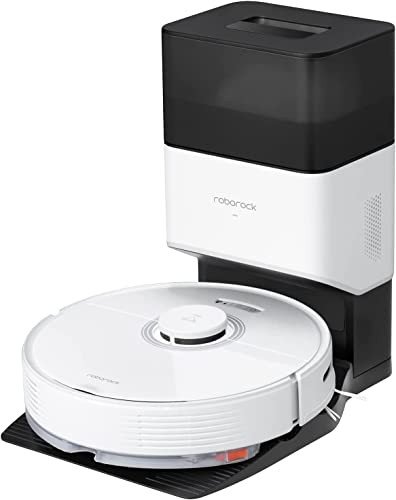
The Evolution and Impact of Robotic Hoovers in Modern Homes
In the ever-evolving landscape of home technology, couple of developments have recorded the public’s imagination rather like robotic hoovers. These automated cleaning devices, when thought about a high-end, have actually become increasingly commonplace in families around the globe. From their simple starts to the advanced designs offered today, robotic hoovers have actually transformed the way we think of and carry out family tasks. This post looks into the history, technology, benefits, and potential future advancements of these exceptional devices.
A Brief History of Robotic Hoovers
The idea of a robot that could clean up autonomously dates back to the mid-20th century, when science fiction authors and futurists began imagining a future where household tasks would be performed by smart makers. Nevertheless, it wasn’t up until the late 1990s and early 2000s that the first commercially practical robotic hoovers struck the market. The iRobot Roomba, introduced in 2002, is frequently credited as the leader in this field. Ever since, numerous business have actually entered the marketplace, each bringing its own distinct features and innovations to the table.
How Robotic Hoovers Work
Robotic hoovers run utilizing a mix of sensors, algorithms, and navigation systems. Here’s a breakdown of the essential elements and innovations:
-
Sensors
- Laser and Infrared Sensors: These assist the robot spot barriers, walls, and drop-offs, ensuring it doesn’t drop stairs or get stuck.
- Dust Detection Sensors: These sensors recognize locations with a high concentration of dirt and dust, permitting the robot to focus its cleaning efforts.
- Cliff Sensors: These prevent the robot from falling off edges, such as staircases.
-
Navigation Systems
- Mapping Technology: Advanced designs utilize mapping technology to create a comprehensive floor plan of the home, optimizing cleaning routes and preventing formerly cleaned locations.
- SLAM (Simultaneous Localization and Mapping): This technology permits the robot to navigate and map its environment in real-time, making changes as it goes.
-
Cleaning Mechanisms
- Brush Systems: Most robotic hoovers utilize a combination of primary and side brushes to sweep and gather dirt and debris.
- Suction Power: The strength of the suction is vital for reliable cleaning, specifically on carpets and in hard-to-reach locations.
- HEPA Filters: These filters are utilized in higher-end designs to trap irritants and fine particles, making them perfect for households with animals or allergy sufferers.
-
Connectivity and Control
- Wi-Fi Connectivity: Many contemporary robotic hoovers can be controlled by means of smart device apps, enabling users to schedule cleanings, screen progress, and get alerts.
- Voice Control: Integration with smart home devices like Amazon Alexa and Google Assistant enables hands-free operation.
Benefits of Robotic Hoovers
The adoption of robotic hoovers has actually brought a number of benefits to modern-day homes:
-
Convenience
- Automated Cleaning: Robotic hoovers can be set to clean instantly, lowering the requirement for manual intervention.
- Remote Operation: Users can control and monitor their robotic hoovers from anywhere, utilizing smart device apps or voice commands.
-
Effectiveness
- Enhanced Cleaning Paths: Advanced navigation systems make sure that the robot covers the whole area effectively, reducing the time and energy needed for cleaning.
- Consistency: Robotic hoovers can carry out cleaning jobs consistently, keeping a high standard of cleanliness without the need for human guidance.
-
Cost-Effectiveness
- Long-Term Savings: While the initial investment may be greater, robotic hoovers can conserve cash in time by reducing the need for expert cleaning company.
- Energy Efficiency: Modern designs are created to be energy-efficient, reducing their effect on electrical energy bills.
-
Time-Saving
- Maximizing Time: By automating the cleaning process, users have more time to concentrate on other activities, whether it’s work, leisure, or hanging out with household.
-
Allergic reaction Relief
- HEPA Filters: These filters can capture allergens and great particles, improving indoor air quality and providing relief to allergy sufferers.
Obstacles and Limitations
Regardless of their lots of advantages, robotic hoovers are not without their obstacles:
-
Initial Setup
- Mapping and Calibration: Setting up a robotic hoover can be time-consuming, specifically for bigger homes or those with complex designs.
- Obstacle Identification: Users might need to reorganize furniture or get rid of little challenge make sure the robot can browse freely.
-
Battery Life
- Minimal Range: Most robotic hoovers have a minimal battery life, which may need them to go back to their charging dock before finishing a cleaning cycle.
- Frequent Recharging: Some designs may need to recharge multiple times during a single cleaning session, which can be inconvenient.
-
Cleaning Performance
- Dust and Debris Collection: While effective on tough floors, some designs battle with deep-pile carpets or heavily soiled areas.
- Upkeep: Regular cleaning of filters and brushes is required to keep ideal performance.
-
Personal privacy Concerns
- Information Collection: Some users might be concerned about the data gathered by the robot, consisting of floor maps and user behavior patterns.
Future Developments
The future of robotic hoovers looks appealing, with continuous advancements in technology and increasing combination with smart home ecosystems. Here are some possible advancements:
-
Enhanced Navigation
- AI and Machine Learning: Improved AI and machine knowing algorithms will enable robotic hoovers to better comprehend and adapt to their environment, making them more efficient and autonomous.
- 3D Mapping: Three-dimensional mapping innovation will allow robotics to navigate more complex and chaotic areas.
-
Better Cleaning Performance
- Multi-Functionality: Future models might include additional features such as mopping and air filtration.
- Smart Sensors: Advanced sensing units will detect and clean specific kinds of dirt and particles, such as pet hair or sticky compounds.
-
Enhanced Battery Technology
- Longer Battery Life: Advances in battery innovation will increase the range and duration of cleaning sessions.
- Faster Charging: quicker charging times will lower downtime and make the robots more user-friendly.
-
Seamless Integration
- Smart Home Ecosystems: Robotic hoovers will incorporate more flawlessly with other smart home devices, permitting collaborated cleaning and home management.
- Voice-Activated Commands: Enhanced voice recognition and natural language processing will make it much easier to manage the robot utilizing voice commands.
Often Asked Questions (FAQs)
-
How do I establish a robotic hoover?
- Setting up a robotic hoover generally includes downloading a smart device app, linking the robot to your Wi-Fi network, and creating a map of your home. Some models might require additional calibration or setting up virtual walls to define cleaning areas.
-
Can robotic hoovers clean up all kinds of floors?
- A lot of robotic hoovers are developed to clean both hard floors and low-pile carpets. However, deep-pile carpets and greatly stained areas might require additional cleaning or a more powerful design.
-
How frequently do I require to empty the dustbin?
- The frequency of clearing the dustbin depends upon the size of your home and how frequently the robot cleans up. As a general rule, it’s a good concept to empty the dustbin after each cleaning session to make sure optimum efficiency.
-
Are robotic hoovers loud?
- Modern robotic hoovers are created to be relatively peaceful, but the noise level can differ depending on the model and the strength of the suction. Some models provide a “peaceful mode” for very little disturbance.
-
Can robotic hoovers climb up stairs?
- A lot of robotic hoovers are not designed to climb stairs due to safety concerns. However, some designs can be set to stop briefly at the top of a staircase and resume cleaning on a different floor as soon as manually moved.
-
Do I require to get rid of furnishings before using a robotic hoover?
- While some furniture may require to be relocated to enable the robot to clean underneath, many designs are developed to browse around barriers. It’s a good idea to eliminate little products that might restrain the robot’s course.
-
For how long do robotic hoovers last?
- The life expectancy of a robotic hoover (additional hints) can vary, however lots of models are designed to last numerous years with appropriate maintenance. Regular cleaning of filters and brushes, as well as keeping the robot’s software application upgraded, can extend its life expectancy.
-
Are robotic hoovers worth the investment?
- For many homes, the convenience, efficiency, and time-saving advantages of robotic hoovers make them a beneficial financial investment. However, it’s crucial to consider your particular requirements and the functions used by various designs before buying.
Robotic hoovers have actually come a long way since their beginning, transforming the way we keep our homes. With their capability to tidy autonomously, integrate with smart home systems, and supply consistent outcomes, they provide a variety of advantages that make them an attractive choice for numerous families. As innovation continues to advance, we can expect a lot more advanced and easy to use models to emerge, further enhancing the cleaning experience. Whether you’re a busy professional, a moms and dad, or simply someone who values a clean home, a robotic hoover may simply be the option you’ve been trying to find.
By exploring the history, technology, advantages, and future of robotic hoovers, this post aims to supply a comprehensive understanding of these ingenious cleaning gadgets. For those thinking about a robotic hoover, the FAQs and lists of essential features can work as valuable resources in making a notified decision.
 Total Users : 108743