


cheap-single-electric-oven2060
cheap-single-electric-oven2060
10 Myths Your Boss Is Spreading Regarding Single Fan Oven
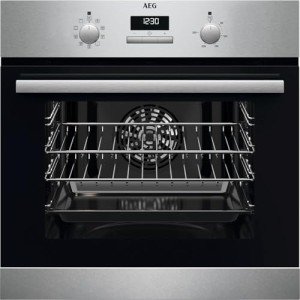
The Ultimate Guide to Single Fan Ovens
Single fan ovens, likewise known as stove, have actually gotten appeal in modern kitchens due to their capability to offer constant cooking outcomes. Unlike standard ovens, single fan ovens distribute hot air around the food, enabling even heat circulation. This short article takes an in-depth take a look at the functions, advantages, and considerations associated with single fan ovens.
What is a Single Fan Oven?
A single fan oven is designed with a fan and an exhaust system that distribute hot air equally throughout the cooking cavity. This technology allows food to prepare more evenly and frequently reduces cooking times compared to traditional ovens. The fan can be discovered at the back of the oven and operates in combination with the heating components, facilitating efficient heat transfer.
Key Features
| Function | Description |
|---|---|
| Even Cooking | Guarantees that food cooks uniformly and reduces the risk of hot or cold spots. |
| Time Efficiency | Reduces cooking time by as much as 20-25% compared to traditional ovens. |
| Temperature Consistency | Maintains consistent temperature level, causing trustworthy cooking results. |
| Adaptability | Appropriate for baking, roasting, and broiling throughout a variety of dishes. |
| Energy Efficiency | Usually takes in less energy due to much shorter cooking times. |
Advantages of Single Fan Ovens
-
Uniform Cooking: The even circulation of heat guarantees that all sides of the food are cooked at the same time. This helps in accomplishing elements like browned surface areas and moist centers, specifically in baked products.
-
Faster Cooking Times: The hot air circulation enables food to cook quicker compared to conventional ovens. This effectiveness is especially beneficial for busy people or families with tight schedules.
-
Energy Savings: Thanks to their quicker cooking times, single fan ovens can often consume less energy, making them a more sustainable alternative for ecologically mindful customers.
-
Multi-Shelf Cooking: Due to the even heat distribution, multiple dishes can be cooked at the same time on various shelves without taste transfer.
-
Minimized Need for Preheating: Many recipes can be executed without pre-heating, therefore saving extra energy and time.
Factors to consider When Choosing a Single Fan Oven
When choosing a single fan oven, several elements must be considered to ensure it satisfies your cooking requires:
-
Size: Choose an oven that fits easily in your kitchen space while offering enough capacity for cooking or baking.
-
Functions: Many single fan ovens include additional features such as self-cleaning choices, programmable settings, and multiple cooking modes (e.g., bake, roast, grill). Evaluate which functions are necessary for your cooking style.
-
Energy Rating: Look for energy-efficient models that can help in reducing energy expenses while also benefiting the environment.
-
Brand Reputation: Research different brands and their evaluations to make sure reliability and after-sales service.
-
Budget: Establish a spending plan that thinks about both the initial financial investment and long-lasting operating costs.
How to Use a Single Fan Oven Effectively
Utilizing a single fan oven is relatively uncomplicated. However, to optimize its benefits, some suggestions are vital:
-
Adjust Temperatures: It is frequently recommended to lower the dish temperature by approximately 20 degrees Celsius (or 25 degrees Fahrenheit) compared to traditional ovens.
-
Usage Shallow Baking Trays: Shallow trays allow better air blood circulation around the food, promoting even cooking.
-
Prevent Overcrowding: Leave space in between dishes to ensure the hot air streams freely and cooks whatever uniformly.
-
Rotate Dishes: For even much better results, think about turning baking trays midway through the cooking process, particularly with larger or thick products.
Frequently Asked Questions About Single Fan Ovens
1. What kinds of foods can I prepare in a single fan oven?
Single fan ovens are flexible and appropriate for baking, roasting meats, cooking casseroles, and even dehydrating fruits. They can deal with a broad variety of meals throughout different foods.
2. Do I still require to pre-heat a single fan oven?
While numerous recipes can be cooked without pre-heating, some baked goods, like soufflés or specific bread recipes, may perform best when the oven is preheated.
3. Can I bake several trays of cookies simultaneously in a single fan oven?
Yes, among the benefits of a single fan oven is that you can bake multiple trays at once without compromising outcomes. Just make sure enough area for air flow around each tray.
4. Is a single fan oven more energy-efficient than a standard oven?
Yes, single fan ovens can be more energy-efficient due to quicker cooking times, which minimizes overall energy usage.

5. Are single fan ovens helpful for baking bread?
Single fan ovens are excellent for baking bread as they supply even heat, which is vital for accomplishing a good rise and crust.
In conclusion, single fan ovens use numerous benefits in versatility, effectiveness, and cooking quality. Their ability to prepare evenly and save time makes them an appealing choice for home chefs. When selecting a single fan oven, consider aspects such as size, functions, and energy usage to find the best fit for your cooking needs. With proper usage and care, a single fan oven can become an indispensable home appliance in any kitchen, boosting both preparing experiences and outcomes.
 Total Users : 108677