


kompressor-mit-garantie-kaufen0116
kompressor-mit-garantie-kaufen0116
10 Healthy Habits To Use Compressor Purchase
The Ultimate Guide to Purchasing a Piston Compressor
When it concerns air compression, picking the ideal compressor is crucial for different markets and applications. Amongst the myriad choices offered, the piston compressor stands out for its performance, dependability, and adaptability. This guide aims to inform possible buyers about the essential considerations when buying a piston compressor, along with offering useful contrasts and regularly asked questions.
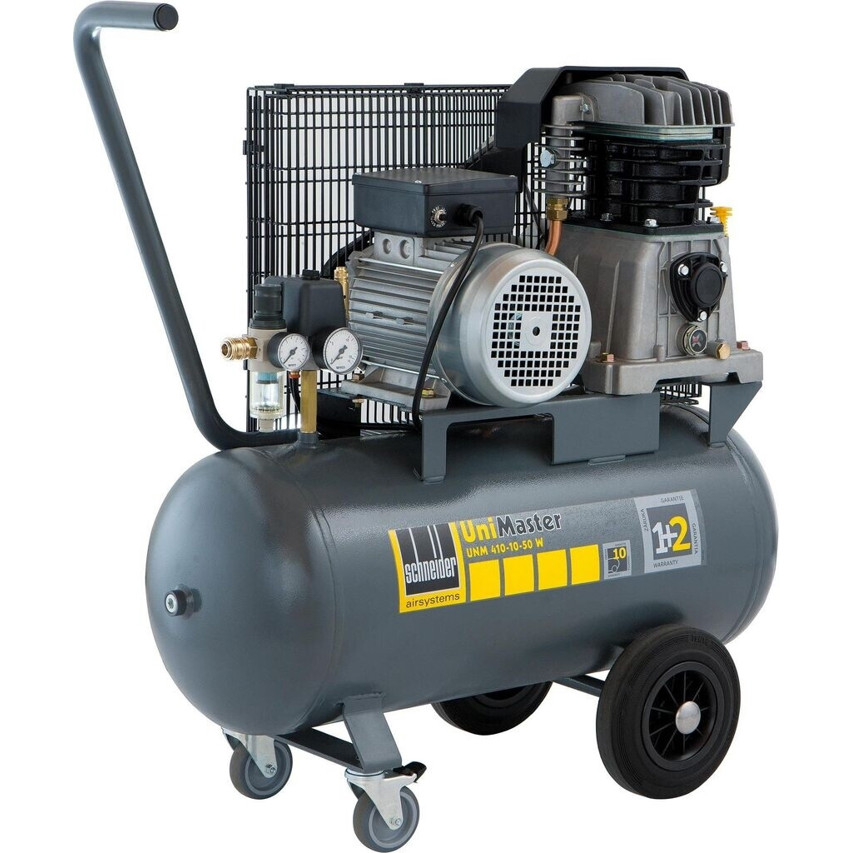
What is a Piston Compressor?
A piston compressor, likewise called a reciprocating compressor, utilizes a piston driven by a crankshaft to compress air inside a cylinder. The primary advantage of this kind of compressor is its ability to produce high pressures, making it appropriate for applications varying from pneumatic tools to industrial machinery.
Secret Considerations When Buying a Piston Compressor
1. Kinds Of Piston Compressors
Piston compressors can be found in numerous designs. Buyers must understand the differences before making a choice:
| Type | Description | Best For |
|---|---|---|
| Single-Stage | Compresses air in one movement of the piston. | Small tools and low-pressure applications. |
| Two-Stage | Compresses air in two stages, resulting in higher pressure. | Industrial systems needing high efficiency. |
| Oil-Lubricated | Utilizes oil for lubrication, resulting in longer life and less wear. | Heavy-duty applications where reliability is essential. |
| Oil-Free | Doesn’t use oil, making it ideal for tidy environments. | Food processing, pharmaceuticals, and electronics. |
2. Compressor Size and Capacity
Understanding the needed size and capacity for particular applications is vital. The capacity of piston compressors is determined in cubic feet per minute (CFM). The table listed below outlines standard applications and their ideal CFM ratings.
| Application | Suitable CFM | Remarks |
|---|---|---|
| Nail Guns | 2 – 4 CFM | Low intake, generally single-stage. |
| Painting | 6 – 15 CFM | Needs more air to sustain pressure. |
| Heavy-Duty Air Tools | 8 – 18 CFM | Ideal for two-stage designs. |
| Industrial Equipment | 20+ CFM | Frequently needs big capabilities for continuous usage. |
3. Source of power
Piston compressors can be powered by electrical power, gasoline, or diesel fuel. Each source of power has its benefits:
- Electric: Often quieter and cleaner, suitable for indoor use.
- Gasoline: Portable and useful for remote locations; however, can be loud and produce emissions.
- Diesel: Excellent for heavy-duty applications however needs more maintenance.
4. Mobility
Depending upon the application, the portability of the compressor might matter. Smaller sized, portable compressors are beneficial for home tasks, while larger models are better fit for stationary industrial settings.
5. Noise Level
For applications where noise can be an issue (e.g., woodworking, Ölfreier Kompressor Online Kaufen (knowing it) home usage), think about the sound levels of various designs. Noise is usually determined in decibels (dBA):
| Noise Level | Description |
|---|---|
| 40 – 60 dBA | Peaceful, suitable for indoor usage |
| 61 – 75 dBA | Moderate, can be used in workshops |
| 76 – 90 dBA | Loud, might need hearing security |
Functions to Look For
When choosing a piston compressor, think about the following functions:
- Tank Size: Larger tanks store more compressed air and provide a longer run time in between cycles.
- Pressure Control: Adjustable pressure settings permit different applications.
- Safety Features: Look for overload security, thermal security, and automated shut-off functions.
- Warranties and Service: A good warranty and accessible client service can save costs on repairs and parts.
FAQ About Piston Compressors
1. What applications can a piston compressor be used for?
Piston compressors are flexible and can be used for:
- Automotive repair
- Production
- Building and construction
- Paint spraying
- Food processing
2. How do I know which size compressor I need?
Compute the overall CFM required for your particular tools and applications, and pick a design that fulfills or exceeds this requirement.
3. Is it much better to pick an oil-lubricated or oil-free compressor?
It depends on your application:
- Oil-lubricated compressors are best for heavy-duty and constant usage.
- Oil-free compressors are ideal for applications needing clean air.
4. Do piston compressors require much maintenance?
Routine maintenance, such as altering the oil for oil-lubricated designs and examining filters, is essential to lengthen the life and efficiency of the compressor.
5. Can I use a piston compressor for painting?
Yes, piston compressors are appropriate for painting, specifically if they can deliver the required CFM and pressure regularly.
Buying a piston compressor involves cautious consideration of various aspects such as type, capability, source of power, sound levels, and additional functions. By understanding the technical specifications and applications particular to your needs, you will be better geared up to make an informed purchase. A proper selection not only guarantees the efficiency and longevity of the compressor however also enhances efficiency in your tasks.
In summary, whether you’re a DIY enthusiast or a professional working in a high-demand market, a piston compressor can significantly impact your efficiency. Investing time in understanding the options offered will result in a successful purchase and ideal usage of this essential devices.
 Total Users : 73049