


soffit-replacement3939
soffit-replacement3939
The 10 Most Scariest Things About Fascia And Soffit Maintenance
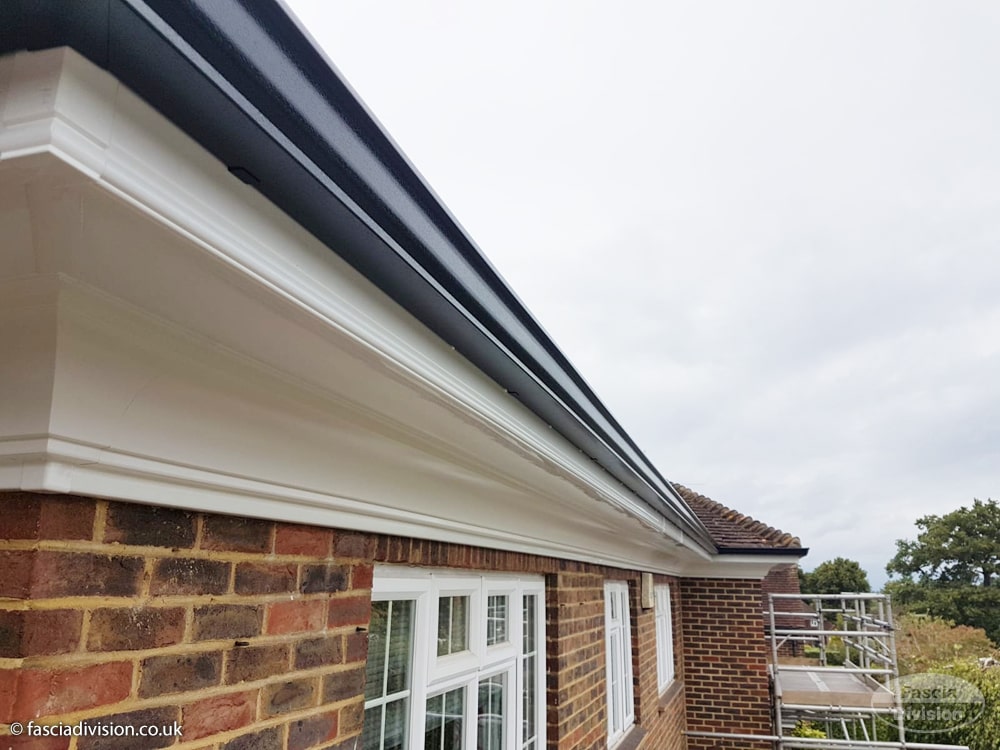
Fascia and Soffit Maintenance: A Comprehensive Guide
When it pertains to maintaining a house, the importance of exterior elements like fascia and soffit can not be overemphasized. These parts not only contribute to the visual appeal of a residential or commercial property however also serve vital functions in regards to ventilation, moisture control, and structural integrity. This short article delves into fascia and soffit maintenance, covering their definitions, functions, typical concerns, and effective maintenance practices to ensure their durability and efficiency.
Understanding Fascia and Soffit
Fascia is the vertical board that runs along the edge of the roofing system, typically where the roofing system eaves extend. It holds the gutter system in location and is often painted to match or highlight the outside of the home.
Soffit, on the other hand, is the horizontal board that connects the fascia to the home’s exterior wall. Soffits are usually vented to allow airflow into the attic space, promoting ventilation and preventing heat and wetness accumulation.
Functions of Fascia and Soffit
The primary functions of fascia and soffit include:
- Protection: They shield the attic and roofing system structure from the elements, consisting of rain, snow, and bugs.
- Ventilation: The vented soffit permits for correct airflow, which assists to avoid mold and condensation in the attic.
- Aesthetic Appeal: Both fascia and soffit add to the overall curb appeal of a home, enhancing its visual interest.
Typical Issues with Fascia and Soffit
Like any part of a home, fascia and soffit can deal with a range of issues that might compromise their effectiveness. Typical problems include:
- Rotting: Moisture and humidity can cause wood rot in both fascia and soffit, compromising their structural stability.
- Bug Infestation: Insects, like bees, wasps, and termites, may nest in these locations if left uncontrolled.
- Peeling Paint: As weather and time take their toll, paint can start to peel, interfering with the home’s appearance and enabling more wetness infiltration.
- Gutter Issues: Poorly set up or maintained gutters can overflow, leading to water damage and soil disintegration around fascia and soffit.
- Vent Blockages: Dust, particles, and nesting products can hamper airflow from soffit vents, leading to inappropriate ventilation in the attic.
Maintenance Tips for Fascia and Soffit
Routine maintenance is crucial for ensuring fascia and soffit stay practical and appealing. Here are some essential maintenance actions:
1. Regular Inspections
Conduct regular evaluations, specifically after severe weather condition, to inspect for signs of damage or wear. Try to find:
- Cracks or divides in the fascia
- Signs of rot or mold
- Loose or sagging sections
- Bug activity
2. Tidy Gutters and Downspouts
Clogged gutters can cause water pooling, which increases the danger of decaying fascia and soffit. Make sure rain gutters and downspouts are devoid of particles and working effectively:
- Remove leaves, twigs, and dirt
- Flush with water to inspect drain
- Clear any blockages
3. Painting and Finishing
If fascia and soffit are wood, painting or staining them can boost their resistance to wetness and pests:
- Choose durable, weather-resistant paint or stain
- Repaint every couple of years as required
- Repair any peeling before repainting to guarantee adhesion
4. Guarantee Proper Ventilation
To prevent moisture accumulation in the attic, make sure that soffit vents remain clear:
- Remove any obstructions brought on by particles or bugs
- Clear exterior soffit holes to permit proper air flow
5. Replace Damaged Materials
If any fascia or soffit boards show substantial damage or rot, replace them right away to avoid additional issues:
- Use rot-resistant products like PVC or aluminum
- Seek advice from a professional for comprehensive damage
6. Professional Inspection and Repairs
For any major issues, such as pest problems or severe structural problems, employ a professional for a thorough examination and repairs:
- Schedule a yearly professional examination
- Address issues without delay to prevent expensive repairs later
Table: Maintenance Checklist for Fascia and Soffit
| Maintenance Task | Frequency | Notes |
|---|---|---|
| Visual Inspection | Month-to-month | Search for damage, rot, and insect activity |
| Clean Gutters | Bi-annually | Guarantee reliable water drain |
| Paint/Stain | Every 3-5 years | Usage weather-resistant materials |
| Clear Soffit Vents | Each year | Avoid airflow blockages |
| Change Damaged Sections | As required | Usage rot-resistant materials |
| Professional Inspection | Every year | Seek advice from an expert for major concerns |
FAQs About Fascia and Soffit Maintenance
Q: How typically should I check my fascia and soffit?A: It is advised
to examine these functions monthly, especially after harsh weather. Q: Can I paint fascia and soffit myself?A: Yes, numerous house owners select to do this themselves. Nevertheless, ensure you follow proper safety procedures and pick weather-resistant paint for enduring results. Q: What should I do if I find rot on my fascia?A: If the damage is very little, you may have the ability to
repair it with wood filler or epoxy. For comprehensive damage, replacing the impacted section is recommended. Q: How does bad ventilation affect my attic?A: Poor ventilation can result in moisture buildup, which can trigger mold development, structural damage,and increased energy expenses due to inefficient heating & cooling. Q: Are there any products that are much better suited for fascia and soffit?A: Yes, vinyl, aluminum, and dealt with wood are popular choices due to their resilience and resistance to
rot and pests. Preserving fascia and soffit is important for maintaining the integrity, safety, and aesthetic appeal of a home. Regular inspections, cleaning, painting, ensuring correct ventilation,
and professional interventions when needed can significantly extend the life of these key components. House owners ought to remain proactive in their maintenance efforts to prevent expensive repairs and ensure their homes remain safeguarded from the aspects.
 Total Users : 108445