


fascia-board-replacement8127
fascia-board-replacement8127
5 Must-Know Soffit Replacement-Practices You Need To Know For 2024
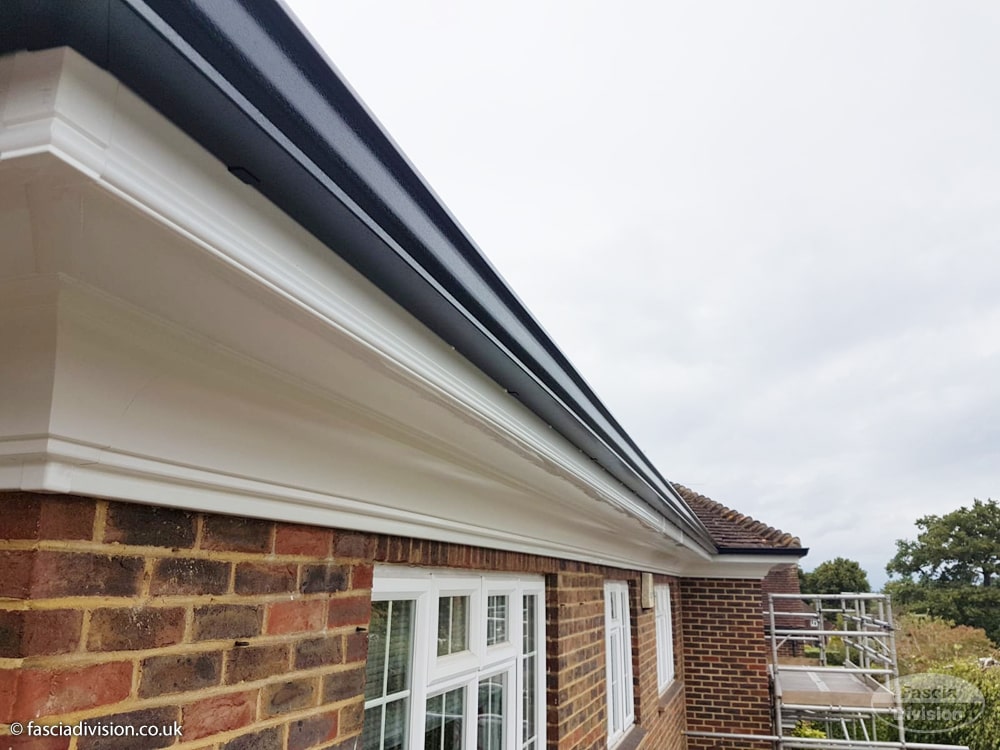
Soffit Replacement: A Comprehensive Guide
Soffits play an essential function in the total health and visual appeals of a home. Positioned beneath the eaves of a roof, they provide ventilation and add to the structural stability of the structure. Over time, however, soffits can end up being broken or degrade due to various elements, demanding their replacement. This short article supplies an extensive check out soffit replacement, the products included, the procedure, and responses to often asked questions.
Comprehending Soffits
Soffits are the noticeable surface areas that link the exterior of your home to the roofing system overhang. They are frequently made from products such as wood, vinyl, or aluminum. Their primary functions consist of:
- Ventilation: Soffits permit correct airflow in attics, avoiding wetness accumulation and lowering the threat of mold and structural damage.
- Protection: They protect rafters, beams, and other parts of the roof from the aspects.
- Visual Appeal: Soffits add to the appearances of a home, boosting its curb appeal.
 Signs Your Soffits Need Replacement It is necessary for homeowners to acknowledge when soffits require replacement. Some common indications consist of:
- Water Damage: Stains or staining may show leaks or inadequate ventilation.
- Pest Infestation: Exposure to wetness draws in insects like bees and termites, which can compromise the structure.
- Peeling or Cracked Paint: This is frequently an indication of underlying wood rot, particularly in wooden soffits.
- Swelling or Warping: As products absorb wetness, they might begin to warp, needing replacement.
Selecting the Right Material
When replacing soffits, house owners can select from various materials. The most common choices are:
| Material | Benefits | Drawbacks |
|---|---|---|
| Wood | Traditional appearance, easy to paint and stain | Prone to rot, requires routine maintenance |
| Vinyl | Low maintenance, moisture resistant, readily available in numerous colors | Can become fragile in severe temperatures |
| Aluminum | Resilient, rust-proof, and does not need painting | Limited color options, can dent quickly |
| Fiber Cement | Highly resilient, fireproof, and low maintenance | Much heavier, can be more expensive |
The Soffit Replacement Process
Changing soffits can be a manageable DIY job or a job for professionals, depending on the property owner’s ability level and convenience. Here is a streamlined detailed process:
Step 1: Assess the Damage
Before proceeding, it is important to examine the existing soffits completely. Recognize the extent of the damage and figure out whether replacement is needed.
Action 2: Gather Materials and Tools
House owners need to collect all required products and tools before beginning the task. A common list includes:
- Replacement soffit panels (wood, vinyl, or aluminum)
- Caulk and caulking gun
- Saw or cutting tool
- Drill or screwdriver
- Security goggles and gloves
- Ladder
Action 3: Remove the Old Soffits
Thoroughly eliminating the old soffits is crucial. Start by separating any trims or moldings around the edges. Utilize a saw to cut through nails and remove the soffit panels.
Step 4: Install Ventilation Baffles (if necessary)
Before installing brand-new soffits, check for appropriate ventilation. Set up baffles that permit air to stream easily, decreasing the risk of moisture buildup.
Step 5: Install New Soffit Panels
Cut the new soffit panels to the correct size and secure them in place utilizing screws or nails. Be sure to leave areas for vents if applicable.
Action 6: Seal and Finish
As soon as set up, seal the edges with caulk to prevent water infiltration. Depending upon the product used, add paint or surface as wanted.
Step 7: Cleanup
After the installation is total, clean the work location and dispose of the old materials appropriately.
Regularly Asked Questions (FAQs)
Q1: How long does soffit replacement last?A1: The longevity of changed soffits depends on the product utilized. Vinyl and aluminum soffits can last 20-40 years, while wood normally requires more maintenance and might last 10-20 years. Q2: Can I change soffits myself?A2: Yes, house owners with basic carpentry skills can carry out a soffit replacement. Nevertheless, employing specialists is suggested for complex installations or larger homes. Q3: How much does soffit replacement cost?A3: The expense generally ranges between ₤ 6 to ₤ 30 per linear
foot, depending on the material selected, labor costs, and the
size of the project. Q4: What kinds of soffit ventilation are available?A4: Options include gable vents, soffit vents, and continuous soffit vent systems to
ensure sufficient air flow in attics. Soffit replacement is
a crucial home maintenance task that can significantly impact a residential or commercial property’s integrity and appearance. Property owners need to remain alert for signs
of degeneration and think about replacement choices that best suit their requirements and budget plans. By choosing premium materials and following the appropriate installation procedures, they can make sure that their homes remain well-ventilated and visually appealing for several years to come. Whether going with a DIY technique or hiring a professional, understanding the process makes for a smoother and more effective soffit replacement experience.
 Total Users : 66900