


autonomous-vacuum6179
autonomous-vacuum6179
Guide To Automatic Hoovers: The Intermediate Guide Towards Automatic Hoovers
The Rise of the Robots: A Comprehensive Look at Automatic Hoovers
In today’s busy world, convenience reigns supreme. From instantaneous coffee to smart homes, innovation is continuously evolving to improve our lives and maximize our valuable time. One such development that has actually gained considerable traction over the last few years is the automatic hoover (simply click Werkraum Karlsruhe), more officially referred to as a robot vacuum. These intelligent little machines are no longer a futuristic dream however a useful truth for millions, providing a hands-free method to preserving tidy floorings.
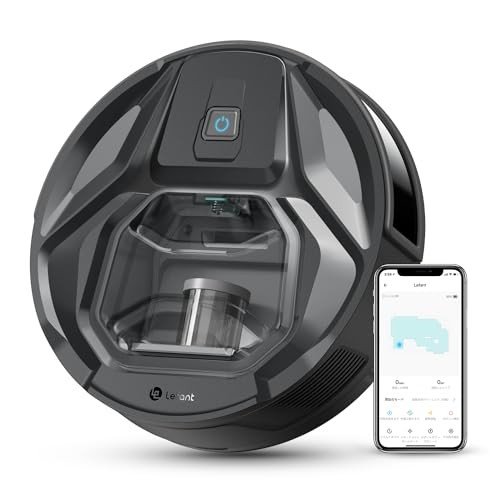
But beyond the initial appeal of technological novelty, what are automatic hoovers genuinely about? How do they work, what are their advantages, and are they the ideal cleaning option for every single home? This article dives deep into the world of automatic hoovers, exploring their performances, varieties, advantages, and whatever you require to know before welcoming one into your home.
Looking into the Mechanics of Automatic Cleaning
At their core, automatic hoovers are created to navigate your home autonomously and clean floorings without direct human control. They achieve this through a combination of sophisticated technologies, consisting of sensors, navigation systems, and cleaning systems.
Many automatic hoovers operate on rechargeable batteries and feature a charging dock. When their battery is low, or after finishing a cleaning cycle, they automatically go back to their dock to charge. The cleaning process itself usually involves:
-
Navigation: This is arguably the most vital element. Automatic hoovers utilize various navigation approaches to map and traverse your living area. Early models often utilized bump-and-go navigation, arbitrarily bouncing around up until they covered an area. Nevertheless, contemporary models make use of more sophisticated systems like:
- SLAM (Simultaneous Localization and Mapping): This innovation permits the robot to build a map of its environments in real-time while simultaneously determining its place within that map.
- LiDAR (Light Detection and Ranging): LiDAR utilizes laser beams to measure distances and produce extremely precise maps, enabling effective and systematic cleaning patterns.
- VSLAM (Visual Simultaneous Localization and Mapping): Similar to SLAM but counts on cameras rather of lasers to perceive and map the environment.
- Gyroscope and Odometry: Some designs combine gyroscopes and wheel sensing units (odometry) to track movement and instructions, improving navigation.
-
Sensors: A plethora of sensors are integrated to assist the robot hoover engage securely and efficiently with its environment. These typically consist of:
- Cliff sensors: Prevent the robot from dropping stairs or ledges.
- Obstacle sensing units: Detect obstacles like furnishings, walls, and pet bowls, enabling the robot to navigate around them.
- Wall sensing units: Enable the robot to follow walls and edges for thorough edge cleaning.
- Dirt detection sensing units: In some advanced designs, these sensors can find areas with greater concentrations of dirt and particles, prompting more concentrated cleaning.
-
Cleaning Mechanisms: Automatic hoovers generally use a mix of:
- Rotating brushes: These brushes sweep dirt and particles from the floor towards the suction inlet. They frequently are available in various styles for various floor types.
- Side brushes: Extend the cleaning reach to edges and corners.
- Suction: Generates airflow to lift dirt and dust into the dustbin. Suction power differs between designs.
- Mopping pads: Some hybrid models include mopping performance, utilizing damp pads to gently mop tough floors after or throughout vacuuming.
Types of Automatic Hoovers: From Basic to Feature-Rich
The marketplace for automatic hoovers is varied, catering to a wide variety of needs and budgets. They can be broadly categorized based on their functions and performances:
-
Basic Models: These are usually entry-level robotics focusing on fundamental cleaning. They often utilize bump-and-go navigation or simpler gyroscope-based navigation. They are usually more cost effective however may do not have innovative features like mapping, app control, or strong suction.
-
Mid-Range Models: Offering a balance between price and features, these models typically integrate smart navigation (SLAM, LiDAR, or VSLAM), app connectivity, and scheduling capabilities. They normally provide more effective cleaning patterns and better obstacle avoidance than fundamental designs.
-
High-End Models: These are the superior offerings, packed with advanced technologies and functions. They frequently boast remarkable navigation, mapping capabilities, multi-floor mapping (keeping in mind maps for various levels of your home), customizable cleaning zones, “no-go” zones (areas you desire to avoid cleaning), self-emptying dustbins, and integration with smart home communities.
-
Hybrid Vacuum-Mop Models: These flexible robotics integrate vacuuming and mopping performances in one device. They can vacuum up dry debris and after that mop difficult floors with a moist pad, offering a two-in-one cleaning solution.
-
Specialized Models: Certain automatic hoovers are designed with specific needs in mind, such as models optimized for pet hair elimination with effective suction and tangle-free brushes, or designs developed for homes with carpets, including carpet boost innovation to increase suction power on carpeted surface areas.
The Benefits of Embracing Automatic Cleaning
The popularity of automatic hoovers originates from the various advantages they offer:
- Convenience and Time-Saving: The most considerable benefit is unquestionably the hands-free cleaning experience. You can set them to clean up while you are at work, running errands, or merely unwinding, freeing up valuable time.
- Constant Cleaning: Automatic hoovers can be arranged to clean regularly, ensuring consistent floor cleanliness and decreasing the accumulation of dust and irritants.
- Ease of access: For senior people or those with movement problems, automatic hoovers can supply an important aid in keeping a tidy home without physical strain.
- Pet Hair Management: Automatic hoovers, specifically designs developed for pet owners, work at capturing pet hair, dander, and irritants, contributing to a much healthier home environment.
- Improved Air Quality: By frequently eliminating dust and allergens, automatic hoovers can add to better indoor air quality, especially helpful for people with allergies or breathing level of sensitivities.
- Reaching Under Furniture: Their low profile allows them to clean up under beds, sofas, and other furnishings where traditional vacuums typically struggle to reach.
Choosing the Right Automatic Hoover for Your Home
Choosing the perfect automatic hoover depends upon specific needs and home qualities. Consider these factors when making your choice:
- Floor Types: Determine the primary floor types in your home (hardwood, carpet, tile, etc). Some designs are better suited for specific floor types. Check if the design is created for carpets if you have significant carpeted locations.
- Home Size and Layout: Larger homes might benefit from designs with longer battery life and advanced mapping abilities for efficient cleaning. Complex layouts with numerous rooms and challenges might require robotics with exceptional navigation.
- Budget: Automatic hoovers differ considerably in rate. Establish a budget plan and explore models within your cost variety that provide the features you require.
- Functions: Prioritize features based on your needs. Think about:
- Navigation System: SLAM, LiDAR, VSLAM for effective and systematic cleaning.
- App Control and Smart Features: Scheduling, zone cleaning, no-go zones, smart home integration.
- Suction Power: Higher suction for pet hair and carpets.
- Battery Life: Longer run time for bigger homes.
- Self-Emptying Dustbin: For added benefit and less regular maintenance.
- Mopping Functionality: If you wish to mop difficult floors as well.
- Sound Level: Consider designs with lower noise levels if noise sensitivity is a concern.
Preserving Your Automatic Hoover
To make sure ideal performance and durability, regular maintenance is necessary:
- Empty the Dustbin Regularly: Frequent emptying avoids the dustbin from overfilling and preserves suction efficiency. Self-emptying models minimize this job considerably.
- Clean Brushes and Filters: Hair and debris can collect on brushes and filters, lowering cleaning efficiency. Clean them frequently as per the producer’s guidelines.
- Check Sensors: Ensure sensing units are tidy and free from dust or obstructions for appropriate navigation.
- Replace Parts as Needed: Brushes and filters will eventually need replacement. Follow the manufacturer’s recommendations for replacement intervals.
- Battery Care: While usually lasting, batteries have a life expectancy. Follow charging directions and prevent leaving the robot constantly on the charger as soon as completely credited make the most of battery health.
The Future is Autonomous Cleaning
Automatic hoover technology is continuously progressing. We can anticipate to see further advancements in:
- Improved AI and Navigation: Robots will become even smarter at navigating complicated environments, avoiding obstacles, and discovering cleaning choices.
- Enhanced Mapping and Customization: More in-depth and precise mapping, permitting extremely tailored cleaning regimens and zone control.
- Greater Integration with Smart Home Ecosystems: Seamless combination with voice assistants and other smart home devices for improved control and automation.
- More Versatile Cleaning Capabilities: Potentially including more innovative cleaning functions beyond simply vacuuming and mopping.
Conclusion: Embracing the Helping Hand of Automation
Automatic hoovers represent a considerable advance in home cleaning technology, offering convenience, effectiveness, and constant tidiness. While not a complete replacement for standard deep cleaning in all situations, they are indispensable tools for maintaining everyday floor tidiness, freeing up time, and boosting the total comfort of your home. By understanding their functionalities, types, and functions, you can make a notified choice and pick the automatic hoover that best suits your unique needs and way of life, embracing the future of automated cleaning.
Often Asked Questions (FAQs) about Automatic Hoovers
Q1: Are automatic hoovers as powerful as standard vacuum cleaners?A: While suction power has significantly improved in recent models, a lot of automatic hoovers might not match the deep cleaning power of a high-end standard upright or container vacuum, especially for greatly soiled areas or thick carpets. However, for daily cleaning and upkeep, they are normally very reliable.
Q2: Can automatic hoovers clean up all kinds of floors?A: Many automatic hoovers are designed to work well on numerous floor types, consisting of hardwood, tile, laminate, and low-pile carpets. However, some designs are much better suited for particular floor types. Inspect product specs to make sure compatibility with your flooring.
Q3: How long do automatic hoover batteries last?A: Battery life differs depending on the model and cleaning mode. Many designs offer between 60 to 120 minutes of run time on a single charge. Higher-end designs might offer even longer battery life.
Q4: Are automatic hoovers noisy?A: Noise levels differ among models. Usually, they are quieter than traditional vacuum, however some sound is still generated. Consider designs with lower decibel scores if noise sensitivity is a concern.
Q5: Do automatic hoovers require a lot of upkeep?A: Routine maintenance is necessary, consisting of clearing the dustbin, cleaning brushes and filters, and occasionally inspecting sensing units. Self-emptying designs reduce the frequency of dustbin emptying.
Q6: Can automatic hoovers manage pet hair efficiently?A: Yes, lots of automatic hoovers are particularly designed for pet owners and are highly efficient at choosing up pet hair. Look for models with functions like tangle-free brushes and strong suction, frequently marketed as “pet hair” models.
Q7: What takes place if an automatic hoover gets stuck?A: Modern automatic hoovers are geared up with challenge sensors and navigation systems to decrease getting stuck. However, they might sometimes get stuck on cables, loose carpets, or in tight areas. A lot of models will stop and signify if they are stuck, often by means of an app notification.
Q8: Can I control an automatic hoover remotely?A: Many mid-range and high-end designs feature smartphone app connectivity, permitting for remote control, scheduling, monitoring cleaning status, and accessing functions like zone cleaning and no-go zones.
Q9: Are automatic hoovers worth the investment?A: Whether they are “worth it” depends upon private requirements and priorities. If benefit, time-saving, and consistent cleaning are essential to you, an automatic hoover can be a valuable investment. Consider your way of life, budget plan, and cleaning needs to make an informed choice.
Q10: Can automatic hoovers clean in the dark?A: Yes, the majority of automatic hoovers can clean up in low light conditions and even darkness. They depend on their sensing units and navigation systems, which are normally not reliant on ambient light for fundamental operation. Models with visual navigation may perform efficiently in sufficient lighting, however are generally developed to operate in normal family lighting conditions.
 Total Users : 109013