


indoor-walker5212
indoor-walker5212
Rollator With Wheels Explained In Fewer Than 140 Characters
Understanding Rollators with Wheels: A Comprehensive Guide
Rollators, likewise referred to as wheeled walkers, have become significantly popular amongst individuals seeking mobility support. These ingenious devices provide a combination of support, stability, and benefit, making them ideal for seniors and people with disabilities. This article explores the functions, benefits, types, and considerations of rollators with wheels, along with frequently asked questions to help you make a notified decision.
What is a Rollator?
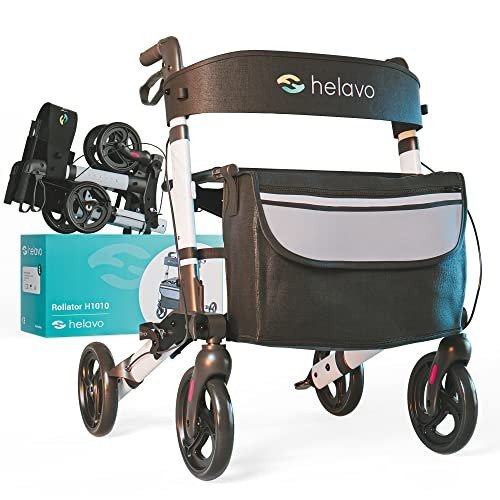
A rollator is a mobility gadget equipped with 3 or four wheels, hand brakes, and a frame created for stability. Unlike standard walkers, which need users to lift the gadget to move, rollators glide efficiently, permitting users to walk naturally while receiving support. Many rollators likewise include a seat for resting, making them particularly advantageous for those who might tire easily.
Key Features of Rollators
- Wheels: Generally designed with either 3 or four wheels, offering balance and stability while walking.
- Hand Brakes: These brakes permit users to stop the rollator safely while promoting confidence during use.
- Seat: Many rollators come geared up with a seat for resting, ideal for users who may need to take breaks during walks.
- Basket or Storage Bag: Convenient for carrying personal items, shopping, or basics during getaways.
- Adjustable Height: Frames are frequently adjustable for a customized fit, accommodating users of various heights.
Benefits of Using a Rollator with Wheels
Rollators provide many benefits for individuals with restricted mobility. Some of the key benefits consist of:
- Enhanced Mobility: Rollators enable users to maintain self-reliance and mobility, making it easier to navigate indoors and outdoors.
- Improved Stability: The presence of wheels and brakes supplies additional assistance, reducing the risk of falls.
- Benefit of Use: Users can walk naturally without needing to lift the device, which can ease stress on the arms and back.
- Comfortable Seating: Users can take breaks whenever required, decreasing tiredness and allowing longer getaways.
- Increased Confidence: With better assistance and stability, users might feel more safe in their movements, leading to higher mobility.
Types of Rollators
When thinking about a rollator, a range of options are available to deal with diverse needs:
-
Standard Rollators: Typically come with four wheels, larger frames, and a comfy seat, making them ideal for many users.
-
Compact Rollators: Designed for indoor use or travel, these rollators are lightweight, foldable, and frequently feature smaller frames.
-
Durable Rollators: Engineered for users who might need additional assistance, these rollators typically have a greater weight capability and a larger frame.
-
Three-Wheeled Rollators: More maneuverable than their four-wheeled counterparts, these rollators are ideal for browsing tighter spaces.
Factors to consider Before Purchasing a Rollator
Before investing in a rollator, there are numerous factors that ought to be thought about to make sure the very best suitable for private needs:
- Weight Capacity: Check the weight limitation to ensure it supports the user’s weight effectively.
- Frame Size: Ensure that the frame fits the user’s height for ideal convenience and assistance.
- Wheel Size: Larger wheels are generally much better for outdoor use and rough surface, while smaller sized wheels are more fit for indoor use.
- Storage Options: Consider how much storage is necessary for mobility aids, shopping, or individual products.
- Mobility: If travel is a priority, opt for a foldable and lightweight design for ease of transport.
Maintenance of Rollators
Appropriate maintenance can lengthen the life of a rollator and guarantee safety during use. Here are some tips:
- Regularly Check Brakes: Ensure that hand brakes operate correctly and change them as required.
- Examine Wheels: Look for wear and tear; change wheels if they reveal signs of damage.
- Tighten Loose Parts: Regularly examine for any loose screws or bolts and tighten them to preserve stability.
- Clean the Frame: Wipe down the frame frequently to keep it devoid of dirt and debris.
Table: Comparison of Rollator Types
| Type of Rollator | Wheel Count | Perfect Use | Weight Capacity | Mobility |
|---|---|---|---|---|
| Standard Rollator | 4 | General mobility | 300 lbs | Moderate |
| Compact Rollator (https://studio.cqxqg.tech/) | 4 | Indoor/Travel | 250 pounds | High |
| Sturdy Rollator | 4 | Rigorous use | 400 lbs | Low |
| Three-Wheeled Rollator | 3 | Tight areas | 300 pounds | Moderate |
FAQs About Rollators with Wheels
Q1: How do I pick the best rollator for my requirements?
A1: Consider aspects such as your height, weight, and where you’ll mostly use the rollator (indoor vs. outdoor). A trial at a mobility shop might also help you find a comfy fit.
Q2: Are rollators difficult to maneuver?
A2: Most rollators are created for ease of use, and with practice, users normally discover them simple to maneuver, particularly those with rotating wheels.
Q3: What is the average expense of a rollator?
A3: Prices can range significantly, from approximately ₤ 70 for standard models to over ₤ 300 for high-end or specific designs.
Q4: Can rollators be utilized outdoors?
A4: Yes, numerous rollators are developed for both indoor and outdoor use. However, choosing one with bigger wheels can enhance stability on uneven surface.
Q5: How do I maintain my rollator?
A5: Regularly check the brakes and wheels for wear, tighten up any loose parts, and tidy the frame regularly to make sure safety and longevity.
Rollators with wheels are necessary mobility aids that promote independence and security for users. By understanding the features, benefits, and upkeep of rollators, individuals can make educated choices about their mobility requires. With the right rollator, users can enjoy improved mobility, confidence, and quality of life.
 Total Users : 64177