


b2-deutsch-zertifikat-kaufen7149
b2-deutsch-zertifikat-kaufen7149
Unexpected Business Strategies That Helped German B1 Certificate Succeed
Understanding the German B1 Certificate: A Gateway to Advanced Language Proficiency
The German B1 Certificate, often described as the “Zertifikat Deutsch B1,” is a substantial milestone for students of the German language. This accreditation, which belongs to the Common European Framework of Reference for Languages (CEFR), represents a level of efficiency that permits people to interact successfully in a large range of daily and professional scenarios. This short article explores the significance of the B1 certificate, the evaluation procedure, and pointers for preparation.
What is the German B1 Certificate?
The German B1 Certificate is a globally recognized language certification that vouches for a student’s capability to understand and utilize German in a variety of contexts. At the B1 level, people can:
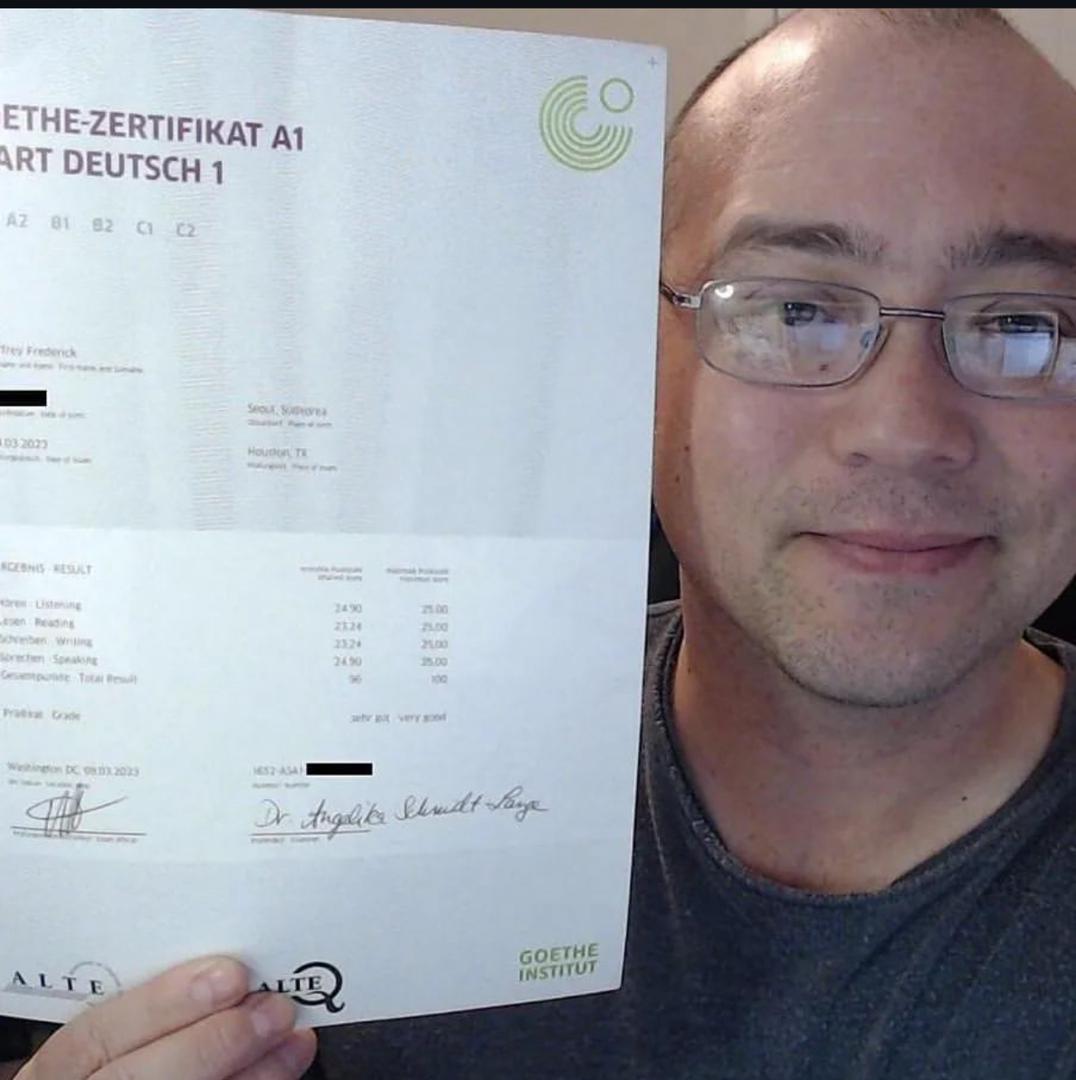
- Understand the bottom lines of clear basic input on familiar matters routinely come across in work, school, leisure, etc.
- Offer with the majority of circumstances most likely to occur while traveling in an area where the language is spoken.
- Produce simple connected text on topics that recognize or of personal interest.
- Describe experiences and events, dreams, hopes, and ambitions, and briefly offer reasons and explanations for opinions and strategies.
Importance of the B1 Certificate
-
Educational Opportunities: The B1 certificate is frequently a prerequisite for admission to German universities and other greater education institutions. It demonstrates to admissions committees that the applicant has an enough command of the German language to follow the curriculum and participate in academic discussions.
-
Expert Advancement: In the expert world, the B1 certificate can open doors to job opportunities in German-speaking countries or worldwide business. It reveals companies that the prospect can communicate efficiently in a company environment and deal with regular jobs in German.
-
Cultural Integration: For people planning to reside in Germany or other German-speaking nations, the B1 certificate is a valuable tool for incorporating into the local community. It allows them to participate in social activities, comprehend cultural nuances, and construct relationships with native speakers.
-
Individual Fulfillment: Achieving the B1 level is a considerable personal achievement. It enhances self-confidence and supplies a sense of accomplishment, motivating students to continue their language journey.
The Examination Process
The German B1 Certificate evaluation is created to examine the prospect’s proficiency in all 4 language skills: reading, composing, listening, and speaking. The test is generally divided into the following areas:
-
Reading Comprehension:
- Format: Candidates check out a series of texts and respond to multiple-choice concerns.
- Skills Assessed: Ability to understand and analyze written information, consisting of articles, letters, and narratives.
-
Writing:
- Format: Candidates write a brief essay or letter based on a given timely.
- Abilities Assessed: Ability to express ideas plainly and coherently in written form, with right grammar and vocabulary.
-
Listening:
- Format: Candidates listen to audio recordings and address concerns based upon what they hear.
- Skills Assessed: Ability to comprehend spoken German in various contexts, including conversations, statements, and interviews.
-
Speaking:
- Format: Candidates take part in a structured conversation with an inspector.
- Abilities Assessed: Ability to communicate efficiently in spoken German, consisting of revealing opinions, asking and answering questions, and explaining scenarios.
Preparation Tips
-
Practice Regularly: Consistent practice is crucial to improving language skills. Participate in activities that include all 4 language abilities, such as reading German books, composing journal entries, listening to German podcasts, and talking with native speakers.
-
Use Authentic Materials: Incorporate genuine products into your research study regimen, such as German newspapers, publications, and TV programs. This will assist you end up being acquainted with real-world language usage.
-
Take Practice Tests: Familiarize yourself with the format and kinds of questions in the B1 examination by taking practice tests. Lots of resources are readily available online, and language schools typically provide mock exams.
-
Join a Language Course: Enroll in a German language course to get structured guidance and feedback from skilled instructors. Group classes also provide opportunities to practice speaking to peers.
-
Broaden Your Vocabulary: Build a robust vocabulary by discovering new words and expressions regularly. Use flashcards, apps, or a vocabulary notebook to track your progress.
-
Seek Feedback: Regularly look for feedback on your speaking and writing abilities from native speakers or language tutors. This will help you determine areas for improvement and improve your language usage.
FAQs
Q: How long does it take to prepare for the B1 examination?
A: The time needed to prepare for the B1 examination varies depending upon the individual’s beginning level and the strength of their study. Normally, it can take several months of consistent practice to reach the B1 level.
Q: Can I retake the B1 evaluation if I stop working?
A: Yes, you can retake the B1 examination if you do not pass. It is advisable to recognize the locations where you need enhancement and concentrate on those before retaking the test.
Q: Are there various variations of the B1 certificate for different purposes?
A: Yes, there are various variations of the B1 certificate, such as the “goethe zertifikat b2 Deutsch B1″ for basic functions, the “Zertifikat Deutsch B1: Beruf” for professional contexts, and the “Zertifikat Deutsch B1: Gesundheitswesen” for healthcare professionals.
Q: Is the B1 certificate legitimate for life?
A: The B1 certificate is generally considered valid for life, but some institutions might need you to take a new test if a substantial amount of time has passed because your initial certification.
Q: Can I utilize the B1 certificate for visa applications?
A: Yes, the B1 certificate is frequently accepted as evidence of language efficiency for visa applications to German-speaking countries. Nevertheless, it is always advisable to examine the specific requirements of the embassy or consulate.
The German B1 Certificate is an important credential that opens numerous doors in education, work, and personal growth. By comprehending the evaluation process and following a structured preparation strategy, students can successfully achieve this essential turning point in their language journey. Whether you are planning to study in Germany, advance your career, or merely enhance your language abilities, the B1 certificate is a substantial step towards achieving your objectives.
 Total Users : 108911