


senior-walker0792
senior-walker0792
What’s The Job Market For Walking Frame Professionals?
Understanding Walking Frames: Features, Benefits, and Considerations
Walking frames, also understood as walkers, are vital mobility aids designed to offer stability and support for people who might deal with balance, coordination, or strength when moving. These devices can considerably boost the quality of life for the elderly, people recuperating from surgery, and those with chronic health conditions affecting mobility. This article will look into the different kinds of walking frames, their benefits, correct usage, and essential factors to consider for users and caregivers.
Types of Walking Frames
Walking frames been available in a number of variations to accommodate various user needs. The primary types include:
-
Standard Walking Frames: These are fundamental freestanding frames that supply optimal stability. Users need to lift the frame with each step, making them ideal for individuals with good upper body strength.
-
Two-Wheeled Walkers: These frames have two front wheels, permitting smoother motion. They are perfect for users who can handle some weight-bearing and require less lifting.
-
Four-Wheeled Walkers (Rollators): Designed with four wheels, a seat, and hand brakes, rollators provide convenience and safety. Users can walk without raising the frame, making them appropriate for those with restricted stamina or strength.
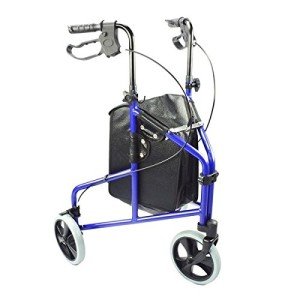
-
Knee Walkers: These are developed for individuals recuperating from foot or ankle injuries. Users rest their knee on a padded cushion while pushing themselves forward with their other leg.
Table 1: Comparison of Walking Frame Types
| Walking Frame Type | Main Features | Best Suited For |
|---|---|---|
| Standard Walking Frame | No wheels; requires raising | Users with great upper body strength |
| Two-Wheeled Walker | Front wheels; much easier maneuvering | Users requiring moderate assistance |
| Four-Wheeled Walker | Wheels, seat, brakes | Users needing stability and rest choices |
| Knee Walker | Cushioned knee rest; mobile | Users with lower leg injuries |
Benefits of Using Walking Frames
Walking frames offer numerous advantages that boost mobility and promote independence. These benefits include:
-
Increased Stability: Walking frames offer a stable platform, lowering the danger of falls.
-
Enhanced Confidence: By providing support, users can feel more protected while walking, which improves their confidence in mobility.
-
Flexible Use: Walking frames can be utilized inside and outdoors, accommodating different surfaces and environments.
-
Reduced Physical Strain: They alleviate the physical burden on the user’s legs and back, allowing individuals with discomfort or weak point to stroll longer ranges.
-
Motivation of Physical Activity: Regular use can promote mobility and aid preserve exercise, which is essential for overall health.
Key Considerations for Users and Caregivers
While walking frames use substantial advantages, there are several crucial factors to consider to guarantee optimum use:
-
Proper Fit: Walking frames should be changed to the appropriate height for the user. When standing directly, the elbows need to be somewhat bent when holding the deals with.
-
Weight Capacity: Each walker has a maximum weight limit. Users need to guarantee they pick a walking frame that can sufficiently support their weight.
-
Terrain Suitability: Users ought to consider where they will primarily use the walker. Four-wheeled walkers are much better suited for outdoor use on uneven surface areas.
-
Maintenance: Regular examine brakes, wheels, and structural integrity are required to guarantee safety.
-
User Training: Proper training from healthcare experts can assist users and caregivers comprehend how to use walking frames safely and efficiently.
FAQs about Walking Frames
-
Who can benefit from utilizing a walking frame?
- People with balance concerns, elderly people, those recuperating from surgery, and those with persistent mobility concerns can take advantage of using walking frames.
-
Can walking frames be utilized outdoors?
- Yes, many walking frames, especially four-wheeled walkers, are designed for both indoor and outdoor use.
-
How do I choose the right walking frame?
- Consider your mobility requires, environment, weight capability, and any extra features like seats or storage compartments.
-
What should I do if I feel unstable using a walking frame?
- Talk to a healthcare expert or physiotherapist for guidance on proper usage and adjustment of the walking frame.
-
Exist any risks associated with using a walking frame?
- If not used correctly, walking frames might lead to falls. It’s essential to make sure proper fit, adjust them appropriately, and practice safe walking strategies.
Walking frames represent an important tool for increasing mobility and self-reliance for lots of individuals facing physical difficulties. By understanding the various types offered, their benefits, and the considerations associated with their use, users and caretakers can make informed choices about selecting and utilizing the best walking frame. With the right support, lots of individuals can regain confidence in their mobility, boost their lifestyle, and take necessary actions towards independence.
 Total Users : 108947