


door-handle-repair-company2684
door-handle-repair-company2684
15 Things To Give Your Door Handle Emergency Repair Lover In Your Life
Title: Door Handle Emergency Repair: A Comprehensive Guide
When it concerns home maintenance, door handles are frequently neglected up until an emergency occurs. A malfunctioning door handle can irritate locals and compromise security. Whether it’s a simple jam or a total breakdown, understanding how to address door handle issues can conserve money and time. This article supplies an extensive introduction of common door handle problems, emergency repair strategies, and preventive procedures to keep your door handles practical.
Common Door Handle Problems
Before delving into emergency repair techniques, it’s vital to comprehend the kinds of door handle issues that might arise. Here are some common problems:
-
Loose Handles: Over time, door handles can become loose due to wear and tear or incorrect installation.
-
Jammed Mechanisms: Dirt, particles, or foreign items can get lodged in the mechanism, preventing smooth operation.
-
Broken Handle: Forceful use or external damage can lead to a broken handle that needs immediate attention.
-
Run-down Springs: The internal springs of a handle can wear out, resulting in dysfunction.
-
Lock Malfunctions: Sometimes the handle is great, however the locking mechanism is jammed or not operating effectively.
Emergency Repair Techniques
Depending upon the issue at hand, various repair methods might be better suited. Below are detailed directions for some common door handle emergency situations.
1. Fixing a Loose Handle
Tools Needed:
- Screwdriver
- Allen wrench (if applicable)
Steps:
- Identify the type of handle: Determine if it is a screw or webcam locking mechanism.
- Tighten the screws: Using a screwdriver, tighten any noticeable screws on the handle.
- Change the assembly: If your handle has an Allen screw, utilize the proper size to tighten it.
- Test the handle: Ensure the handle no longer wobbles and functions correctly.
2. Fixing a Jammed Handle
Tools Needed:
- Lubricant (WD-40 or comparable)
- Cloth or paper towel
Actions:
- Inspect the area: Check for dirt, debris, or anything obstructing the handle’s motion.
- Tidy the area: Use a cloth to clean down the handle and surrounding location.
- Apply lube: Spray lubricant into the moving parts of the handle.
- Operate the handle: Move the handle backward and forward to distribute the lubricant and guarantee functionality.
3. Replacing a Broken Handle
Tools Needed:
- New door handle
- Screwdriver
- Replacement screws (if needed)
Steps:
- Remove the broken handle: USe a screwdriver to remove the screws protecting the handle to the door.
- Set up the brand-new handle: Place the brand-new handle in the same position as the old one and secure it with screws.
- Examine performance: Operate the handle to ensure it’s working properly.
4. Resolving Worn Out Springs
Tools Needed:
- Replacement springs (usually consisted of with new handles)
- Screwdriver
Steps:
- Disassemble the handle: Remove the screws, then separate the handle to access the internal mechanism.
- Change the spring: Take out the damaged spring and change it with the brand-new spring.
- Reassemble the handle: Put everything back in location and secure with screws.
- Evaluate the handle: Check to make sure the handle runs efficiently.
Preventive Maintenance Tips
To prevent emergency situations with door handles in the future, routine maintenance is essential. Here are some preventive maintenance tips:
- Routine Cleaning: Clean door handles frequently to prevent accumulation of dirt and gunk.
- Routine Inspections: Check handles for looseness or indication of wear every few months.
- Lubrication: Apply lube to mechanisms every six months to ensure smooth operation.
- Secure Installation: Ensure that all handles are installed correctly, with screws tightened properly.
Frequently Asked Questions About Door Handle Emergency Repairs
Q: How can I tell if my door handle is broken or simply loose?A: If the handle moves freely without engaging the door lock, it is likely broken. If the handle wobbles but still runs the latch, it’s most likely simply loose.
Q: Can I repair a door handle myself?A: Yes, a lot of door handle problems can be fixed with basic tools and a little DIY understanding. However, if you’re not sure or the issue persists, it’s suggested to call a professional.
Q: What types of door handles require more maintenance?A: Handles that see heavy use, such as exterior door handles or multipoint locking systems, generally need more regular maintenance.
Q: Is it needed to replace a door handle if it becomes loose?A: Not always. You can usually fix loose door handle, Https://mountainretreatcabinrentals.com, a loose handle by tightening it. However, if the handle is removed or damaged, a replacement may be required.
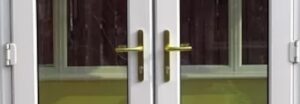
Q: What should I do if the lock mechanism is stuck?A: If the lock mechanism is stuck, try using a lube. If that doesn’t work, it may need disassembly or professional help.
Comprehending emergency repairs for door handles is an important ability for house owners. From fixing a loose handle to changing broken parts, standard tools and knowledge can help you handle door handle emergency situations successfully. Additionally, including preventive maintenance into your regimen can keep your handles operating smoothly, minimizing the risk of future issues. Empowering yourself with the abilities to address these problems can result in a much safer, more functional home environment.
 Total Users : 100456