


french-door-restoration8305
french-door-restoration8305
10 Of The Top Mobile Apps To Use For French Door Installation
A Comprehensive Guide to French Door Installation
French doors are a popular architectural function that includes sophistication, design, and performance to any home. These doors not only develop a seamless shift between indoor and outdoor spaces but likewise enhance natural light, making a room feel more spacious. This post will assist homeowners through the French door installation procedure, supplying necessary tips, step-by-step instructions, and responses to frequently asked questions.
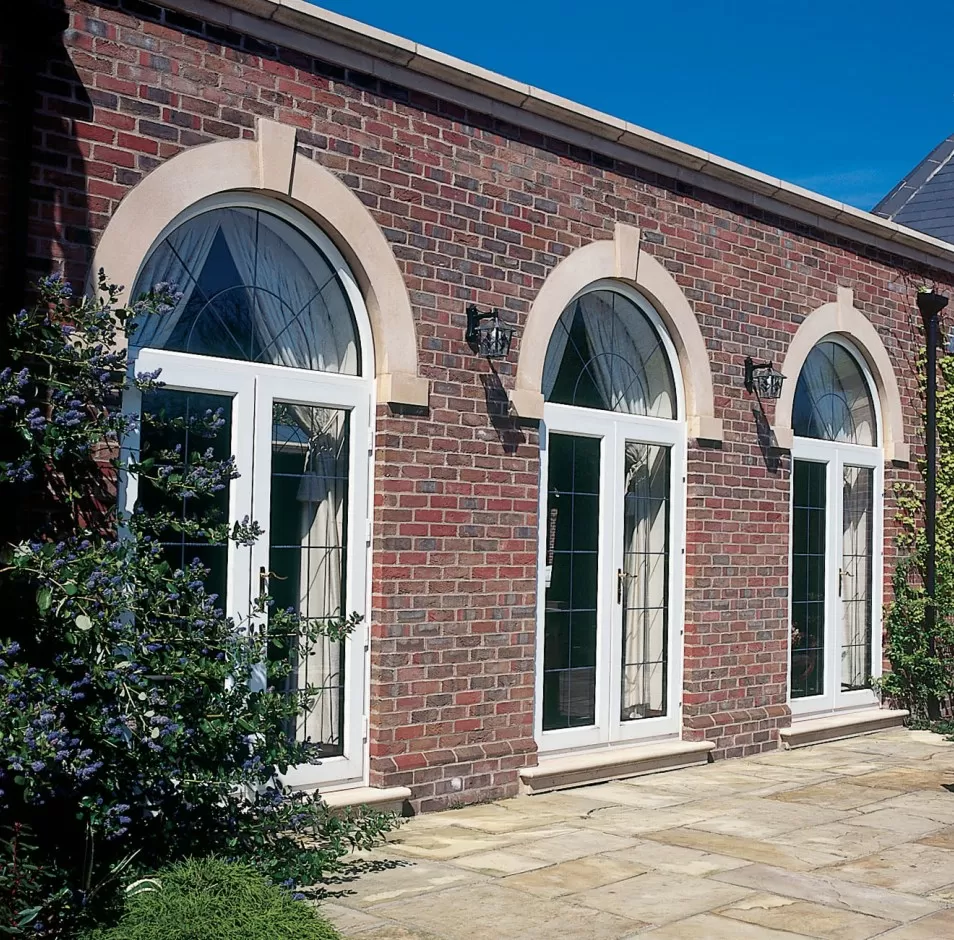
What Are French Doors?
French doors generally consist of a pair of doors that are hinged on either side and open outward or inward, creating a large entranceway. They feature large glass panels and are often used to connect an interior area to the patio or garden. Homeowners appreciate their visual appeal and performance, as they can present fresh air and light into the home.
Tools and Materials Needed for Installation
Before beginning the installation of French doors, it is necessary to collect the necessary tools and materials. Here’s what you will need:
Tools:
- Measuring tape
- Level
- Hammer
- Screwdriver
- Drill
- Circular saw (if cutting is needed)
- Pry bar
- Caulking weapon
- Safety glasses
- Stud finder
Products:
- French door unit (pre-hung)
- Shims
- Wood screws
- Exterior door hinges
- Weather removing
- Cut molding
- Paint or stain (if desired)
Step-by-Step Installation Guide
The process of installing French doors can be broken down into a number of crucial actions.
1. Preparation
- Select the Right Doors: Ensure that the French doors you have actually picked fit the opening.
- Get Rid Of Old Door: If replacing an existing door, use a lever to remove it and get any trim.
- Clean the Door Frame: Ensure the frame is tidy and without debris for a better fit.
2. Procedure the Opening
- Inspect the Dimensions: Measure the height and width of the door opening to confirm it aligns with the French door system requirements.
- Inspect for Level: Use a level to ensure the opening is even. If it is not, changes might need to be made.
3. Set Up the Door Frame
- Position the Frame: Place the French Door Frame (simply click the next web page) into the opening, ensuring it is level both horizontally and vertically.
- Place Shims: Use shims to protect the frame. Place them at the hinge areas and along the latch side.
- Secure the Frame: Once the frame is level and plumb, connect it to the existing structure with wood screws through the frame into the wall studs.
4. Attach the Doors
- Install Hinges: Depending on the design, attach the hinges to the side of the frame and the doors.
- Hang Doors: Lift each door into location and secure it with screws.
- Check the Operation: Open and close the doors to ensure they move efficiently without rubbing against the frame.
5. Add Weather Stripping
- Seal Gaps: Install weather stripping around the door trim to avoid drafts and enhance energy performance.
6. End up the Installation
- Include Trim: Attach trim molding around the door frame for a sleek look.
- Paint or Stain: If preferred, paint or stain the doors and cut to match the existing decoration.
7. Inspect and Clean
- Final Check: Ensure all screws are tight and the door runs properly.
- Tidy Up Debris: Remove any tools and particles from the workspace.
Advantages of Installing French Doors
- Increased Natural Light: French doors are primarily made of glass, allowing abundant natural light to enter your home.
- Improved Aesthetics: They add a touch of elegance and sophistication to any space.
- Improved Airflow: When opened, French doors create a breezy and open environment.
- Energy Efficiency: Modern French doors include energy-efficient glass, reducing cooling and heating costs.
- Increased Property Value: Installing trendy French doors can improve a home’s resale value.
Frequently Asked Questions About French Door Installation
1. How long does it require to set up French doors?
The installation process can take anywhere from a few hours to a full day, depending on the property owner’s experience and whether any custom-made modifications are needed.
2. Do I require an authorization to install French doors?
In many locations, a license is not required for door replacements. Nevertheless, it’s recommended to inspect local structure codes before beginning installation.
3. Can I set up French doors by myself?
While DIY installation is possible, it might be helpful to employ a good friend for assistance, specifically throughout lifting and placing the door.
4. What should I do if my door frame is not square?
If the door frame is not square, you might need to use additional shims or think about re-installing the frame to ensure the doors run correctly.
5. How do I preserve my French doors?
Routine cleansing of the glass and hinges, along with periodic checks of weather condition stripping and seals, will assist maintain the performance and look of your French doors.
Installing French doors can considerably improve the aesthetic appeal and functionality of a home. With proper preparation and attention to information, property owners can effectively install these classy doors and delight in the benefits they bring. Whether seeking to improve energy effectiveness or merely bask in the beauty of natural light, French doors are a timeless addition to any house.
By following the steps laid out in this guide and understanding the advantages and maintenance, homeowners can embrace the sophistication of French doors for many years to come.
 Total Users : 26091