


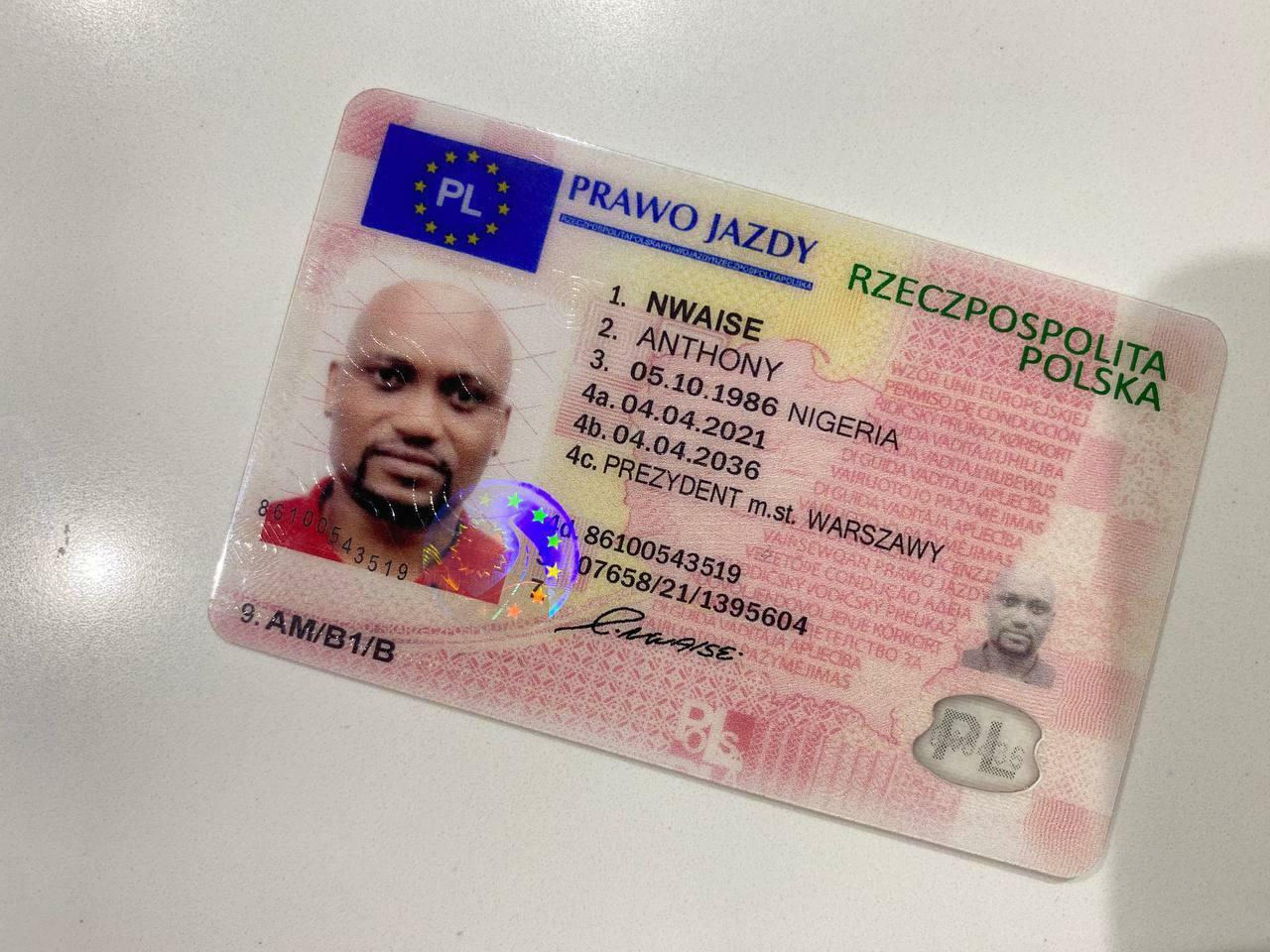
prawo-jazdy-kategorii-b8546
prawo-jazdy-kategorii-b8546
10 Facts About Driving License Purchase Procedure That Will Instantly Make You Feel Good Mood
Navigating the Road to Legality: Understanding the Driving License Acquisition Procedure
In a progressively mobile world, a driving license is more than just a notepad; it’s an essential to self-reliance, opportunity, and convenience. It’s a testimony to one’s ability to operate a vehicle safely and responsibly on public roadways. However, the term “driving license purchase” is a common misnomer. A driving license is not something you can just purchase; it’s made through a structured process created to make sure road security for Prawo Jazdy B Cena everyone. This post intends to debunk the treatment for obtaining a driving license, describing the actions, requirements, and important info one needs to browse this important procedure successfully.
Understanding the right terminology is the primary step. Instead of “purchasing,” the precise phrase is “getting” or “acquiring” a driving license. This process involves demonstrating skills in both theoretical knowledge of traffic guidelines and useful driving abilities. Governments and regulative bodies worldwide have established standardized treatments to ensure that only certified individuals are permitted to operate vehicles, thus lessening mishaps and promoting much safer roads.
The journey to getting a driving license generally includes several key phases. While particular policies and procedures may differ somewhat from nation to country, and even one state to another within larger countries, the core concepts remain consistent. Let’s dive into the basic structure of the driving license acquisition treatment.
Eligibility Criteria: Setting the Foundation
Before starting the application process, it’s vital to understand if one satisfies the standard eligibility requirements. These normally incorporate:

- Age Requirements: Minimum age limitations are strictly enforced and vary depending on the type of automobile and the governing jurisdiction. Usually, for private cars, the minimum age is 18 years in many countries. For motorbikes or other automobile classifications, the age might vary.
- Residency Requirements: Applicants are generally required to be citizens of the jurisdiction where they are using. Evidence of address, such as energy expenses or government-issued documents, may be necessary.
- Physical and Mental Fitness: Applicants might require to state their physical and psychological physical fitness to drive. Sometimes, a medical certificate from a signed up physician may be required, especially for older candidates or those with specific medical conditions.
- Understanding of Traffic Rules: An essential understanding of traffic laws, road indications, and safe driving practices is necessary. The whole process is designed to evaluate this knowledge.
The Step-by-Step Procedure: A Detailed Guide
Getting a driving license is a multi-stage procedure, usually starting with a student’s permit and culminating in the full, permanent driving license. Here is a breakdown of the typical steps included:
-
Obtaining a Learner’s Permit/License: This is typically the initial step. The student’s authorization enables individuals to practice driving under supervision. To acquire a student’s permit, one usually needs to:
- Complete an application form.
- Supply proof of age and identity.
- Pass a vision test to guarantee adequate vision.
- Pass a written or computer-based understanding test on traffic guidelines, regulations, and road signs. This test evaluates the candidate’s theoretical understanding of driving.
-
Practicing Driving: Armed with a student’s license, the next important phase is practice. This includes:
- Supervised driving practice: Learner’s licenses usually mandate driving with a certified chauffeur who satisfies particular requirements (e.g., holding a full license for a minimum period).
- Official Driving Education (Optional but Recommended): Enrolling in a driving school offers structured lessons from licensed instructors. Driving schools offer important training in vehicle control, traffic maneuvers, and defensive driving strategies. While often optional, formal driving education is highly advised to boost driving skills and improve the chances of passing the driving test.
-
Arranging the Driving Test (Practical Test): Once adequate practice has actually been carried out and the applicant feels great, they can arrange the practical driving test. This procedure usually involves:
- Applying for the driving test: This can typically be done online or by checking out the appropriate licensing authority.
- Paying the test charge.
- Choosing a test date and time. Accessibility may differ, so reserving beforehand is frequently a good idea.
-
Appearing for and Passing the Driving Test: This is the essential action. The driving test evaluates the candidate’s practical driving abilities and their capability to use traffic guidelines in real-world driving circumstances. The test normally includes:
- Vehicle examination: The inspector may check the vehicle’s roadworthiness, making sure lights, indicators, brakes, and other vital components are functioning properly.
- Fundamental vehicle control maneuvers: This might consist of starting and stopping efficiently, gear altering, turning, reversing, and parking.
- Driving on public roads: The examiner will evaluate the candidate’s capability to navigate various roadway conditions, obey traffic signals, keep proper speed and lane discipline, and interact securely with other roadway users.
- Observation abilities and threat understanding: Demonstrating awareness of surroundings, anticipation of prospective threats, and ensuring decisions are essential elements evaluated throughout the test.
-
License Issuance: Upon successfully passing the driving test, the candidate is normally issued a driving license. The process might include:
- Completing last documentation.
- Paying the license cost.
- License collection: The license might be released immediately or sent out by mail, depending upon the particular procedures of the licensing authority.
Files Required: Gathering the Essentials
Throughout the driving license acquisition process, different files are required. These generally include:
- Proof of Age and Identity: Passport, birth certificate, national ID card, or other government-issued recognition files.
- Evidence of Address: Utility bills (electricity, water, gas), bank statements, lease agreements, or government-issued address evidence.
- Application: Duly filled application for student’s license and driving license, as offered by the licensing authority.
- Medical Certificate (if required): A certificate from a registered doctor validating physical fitness to drive.
- Passport-sized Photographs: Recent photographs based on the specifications of the licensing authority.
- Student’s Permit: For the driving test, the legitimate student’s license is necessary.
- Automobile Documents (for driving test): Registration certificate, insurance certificate, and pollution under control certificate of the vehicle used for the driving test.
Tips for Success: Enhancing Your Chances
Obtaining a driving license requires preparation and focus. Here are some handy suggestions to increase the opportunities of success:
- Thoroughly Study Traffic Rules: Familiarize yourself with the traffic laws and guidelines of your jurisdiction. Many licensing authorities provide handbooks or online resources.
- Practice Regularly and Systematically: Consistent and structured practice is crucial to developing driving abilities and confidence.
- Seek Professional Driving Instruction: Enrolling in a trustworthy driving school can substantially enhance driving abilities and prepare you for the test.
- Comprehend the Test Criteria: Familiarize yourself with the particular criteria and maneuvers that will be assessed throughout the driving test.
- Stay Calm and Focused During the Test: Nerves can affect performance. Try to remain calm, focused, and drive as you have actually practiced.
- Ask Questions if Unsure: Don’t be reluctant to clarify any doubts you may have with the licensing authority or driving trainer.
Typical Mistakes to Avoid: Steer Clear of Pitfalls
Specific typical errors can impede the driving license acquisition procedure. Being conscious of these can help prevent unnecessary delays or failures:
List of Common Mistakes:
- Insufficient Preparation for the Knowledge Test: Underestimating the value of studying traffic guidelines can cause stopping working the written test.
- Lack of Adequate Driving Practice: Insufficient practice leads to poor driving abilities and increased chances of stopping working the useful test.
- Choosing the Wrong Vehicle for the Test: Using a car that is unfamiliar or challenging to handle can negatively affect efficiency.
- Nervousness and Panic During the Test: Letting nerves overcome you can result in mistakes that would otherwise be prevented.
- Neglecting Examiner’s Instructions: Failing to thoroughly listen and follow the examiner’s directions throughout the driving test can lead to failure.
- Not Checking Vehicle Documents: Forgetting to bring required lorry documents for the driving test can result in post ponement or disqualification.
Regularly Asked Questions (FAQs)
-
Q: Can I directly use for a permanent driving license without a learner’s permit?
- A: In most jurisdictions, obtaining a learner’s permit is a compulsory requirement before obtaining an irreversible driving license. The learner’s license duration enables supervised practice and ability advancement.
-
Q: How long is a student’s authorization legitimate for?
- A: The credibility period of a learner’s license differs, typically varying from a couple of months to a year. It is important to inspect the specific validity duration in your jurisdiction.
-
Q: What occurs if I stop working the driving test?
- A: If you fail the driving test, you will generally be permitted to retake it after a waiting duration, which might vary from a few days to a few weeks. You may require to pay the test cost again for each attempt.
-
Q: Can I use my own car for the driving test?
- A: Yes, most of the times, you can use your own lorry for the driving test, provided it satisfies the required safety standards and has valid registration, insurance, and pollution certificates. Driving schools likewise frequently supply lorries for screening.
-
Q: Is it mandatory to attend a driving school?
- A: While not constantly mandatory, registering in a driving school is highly suggested. Professional direction substantially boosts driving skills and increases the likelihood of passing the driving test. In some jurisdictions, finishing a driving school course may be required for certain age or automobile types.
-
Q: How long does it take to get a driving license?
- A: The total time can vary depending on elements such as consultation accessibility, specific learning speed, and waiting periods for tests. Generally, it can take anywhere from a couple of weeks to a couple of months to acquire a driving license, from the initial learner’s license application to last license issuance.
Conclusion: Driving Towards Responsible Mobility
Getting a driving license is a substantial step towards personal mobility and self-reliance. It is a process designed to guarantee roadway security and responsible driving. By understanding the treatments, fulfilling the requirements, preparing sufficiently, and practicing vigilantly, people can effectively browse the journey to getting a driving license. Remember, a driving license is not just a privilege but also a responsibility. Safe driving practices, adherence to traffic rules, and responsible roadway behavior are vital for creating more secure roads for everyone. The journey to obtaining a license marks the start of a lifelong commitment to safe and responsible driving.
 Total Users : 108794