


car-key-cutting-service0779
car-key-cutting-service0779
The 9 Things Your Parents Teach You About Ignition Key Repair
Ignition Key Repair: A Comprehensive Guide
In today’s modern-day vehicles, ignition keys have ended up being more than simply a basic metal piece that starts an engine. With advancements in technology, they have actually evolved into advanced gadgets that often incorporate transponders and electronic chips. When these keys malfunction, motorists may find themselves stranded or facing expensive repairs. This short article checks out the various elements of ignition key repair, highlights typical problems, and supplies a guide to efficient fixing and resolution.

Comprehending Ignition Keys
Ignition keys can be broadly classified into various types:
- Traditional Keys: These are plain metal keys that mechanically unlock the ignition system.
- Transponder Keys: Equipped with a microchip, these keys interact with the vehicle’s ignition system to enable starting.
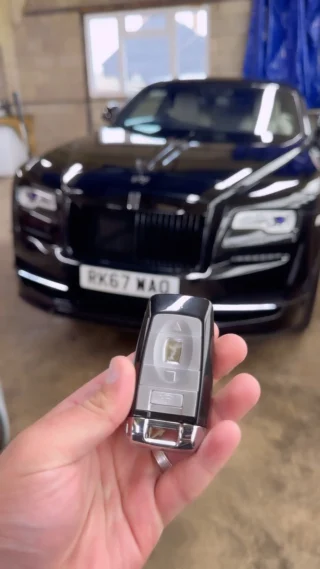
- Keyless Entry Fobs: These smart keys allow cordless entry and ignition, frequently using Bluetooth or RFID technology.
The intricacy of these keys differs, affecting not simply how they operate but also the repair and replacement approaches.
Typical Issues with Ignition Keys
Numerous problems can emerge with ignition keys, leading to the need for repair. Understanding these concerns can help vehicle owners recognize when they need expert help.
-
Key Wear and Tear: Over time, constant usage can use down the teeth of conventional keys, making it hard to turn in the ignition.
-
Transponder Malfunctions: If the chip in the transponder key ends up being harmed, it might not interact efficiently with the vehicle, preventing it from starting.
-
Battery Failure in Key Fobs: Keyless entry fobs count on batteries to run. A dead battery suggests the vehicle can not be opened or started.
-
Physical Damage: Dropping or bending keys can lead to both functional and cosmetic concerns, affecting efficiency.
-
Program Errors: Newly set keys might not sync properly with the vehicle’s ignition system, especially after a battery change or vehicle repairs.
Repairing Ignition Key Issues
To resolve ignition key issues, vehicle owners can try the following troubleshooting steps:
- Inspect the Key: Check for noticeable damage such as bends, cracks, or broken elements.
- Check the Batteries: For key fobs, replace the battery and test if the vehicle reacts.
- Examine Connections: Ensure that there is no dirt or particles in the ignition cylinder that might hinder the key’s performance.
- Attempt a Spare Key: If available, test a spare key to identify whether the issue is with the initial key or the ignition system itself.
- Try To Find Error Codes: Many contemporary vehicles have onboard diagnostic systems that can reveal concerns related to ignition. A specialist can scan for codes if issues persist.
Repair vs. Replacement
When confronted with ignition key problems, vehicle owners often wonder whether to repair or change the key. The decision hinges on various aspects:
- Cost-Effectiveness: Repairing a conventional key is usually less pricey compared to programming a new transponder or fob.
- Type of Key: Traditional keys may be easily replaced or replicated at a local locksmith, while more complex keys often require professional services from a dealership.
- Seriousness of Damage: If a key is severely damaged, replacement is often the most trusted long-lasting option.
Benefits and drawbacks of Repairing Ignition Keys
| Pros | Cons |
|---|---|
| Cost-effective for simple issues | Might not address deep-rooted issues |
| Preserves the original key design | Limitations on key types (e.g., smart keys) |
| Faster turn-around for small repairs | Fixing might be temporary |
Pros and Cons of Replacing Ignition Keys
| Pros | Cons |
|---|---|
| Surefire functionality | Typically more expensive |
| Update options offered | Needs programming for intricate keys |
| Potentially enhanced functions (e.g., keyless entry) | Takes time to acquire and configure |
FAQs About Ignition Key Repair
1. How much does it cost to repair an ignition key?
The cost can vary commonly based upon the kind of key and the specific problem. Traditional keys might cost around ₤ 15-₤ 50 to duplicate, while transponder keys can range from ₤ 50 to ₤ 200, considering programming.
2. Can I repair a broken key myself?
Minor repairs like cleansing or battery replacement for fobs can often be done in the house. However, complicated concerns, specifically with transponder keys, are best handled by experts.
3. For how long does it take to repair or replace an ignition key?
Standard repairs can often be completed within the hour, while replacements, especially for transponder keys or smart keys, might take longer due to programming requirements.
4. What should I do if my key breaks in the ignition?
If a key breaks in the ignition, do not attempt to eliminate it yourself. Rather, call a locksmith or your dealer for expert assistance.
5. Do I need to reprogram my key after replacing the battery?
For the most part, replacing a key fob battery does not need reprogramming. However, if the vehicle does not react after a battery change, you may require to reprogram the fob.
Ignition key repair is a crucial element of vehicle upkeep that must not be neglected. With the increase in technological combination into vehicles, understanding how ignition keys work, recognizing common issues, and understanding when to look for aid can save time and money. Whether choosing repair or replacement, vehicle owners need to prioritize safety and functionality to make sure smooth operation and a seamless driving experience. Keeping an extra key on hand and resolving issues early can likewise assist alleviate possible troubles down the roadway.
 Total Users : 66925