


estebanrunion1
estebanrunion1
Freehold Vs Leasehold: What’s The Difference?
If you’re purchasing residential or commercial property in the UK, you’ll need to understand whether the purchase will be freehold or leasehold. You may have become aware of these terms before, but what do they actually indicate? This easy guide describes whatever you require to understand about freehold vs. leasehold and how each one affects how you own your residential or commercial property.
Leasehold vs. freehold FAQs
What is freehold?
Buying a residential or commercial property freehold just suggests that you own the structure along with the land it bases on. Freehold and leasehold are the two primary types of legally owning residential or commercial property in the UK. Freehold is the normal type of ownership for houses.
What is leasehold?
A leasehold purchase indicates that you own the house/flat/relevant structure, however you need to lease the land it stands on from the freeholder. The freeholder owns the land. This is the normal form of ownership for flats.
How do I know if a residential or commercial property is freehold?
To discover out if a residential or commercial property is leasehold or freehold you can check the Land Registry site. Here, you can browse by postcode and look at a copy of the structure owner’s title. The title is a file that confirms whether the residential or commercial property is freehold or leasehold.
If you currently owned the residential or commercial property and were asked to sign a lease arrangement during the purchase, then your residential or commercial property is leasehold.
Is freehold better than leasehold?
Freehold purchases are better than leasehold in regards to total simpleness and complete ownership. Freehold residential or commercial properties tend to cost more in advance to acquire than leasehold, however leasehold residential or commercial properties frequently include additional expenses and legal complications or limitations.
Leaseholder costs might include maintenance charges, yearly service charges, constructing insurance coverage, and ground rent. Restrictions applying to leasehold residential or commercial properties might include things like:
– The leaseholder may have to get permission to do deal with the residential or commercial property.
– The freeholder might not allow animals.
– The leaseholder might not be enabled to sublet the residential or commercial property.
Also, the freeholder can pick to offer a residential or commercial property’s title while a leaseholder is residing in the structure. The brand-new owner could then levy service charges, such as a boost to any service charge, with little to no notice. Overall, when it concerns freehold vs. leasehold, owning a freehold residential or commercial property is easier and less restrictive than a leasehold.
Are there advantages to owning a leasehold residential or commercial property?
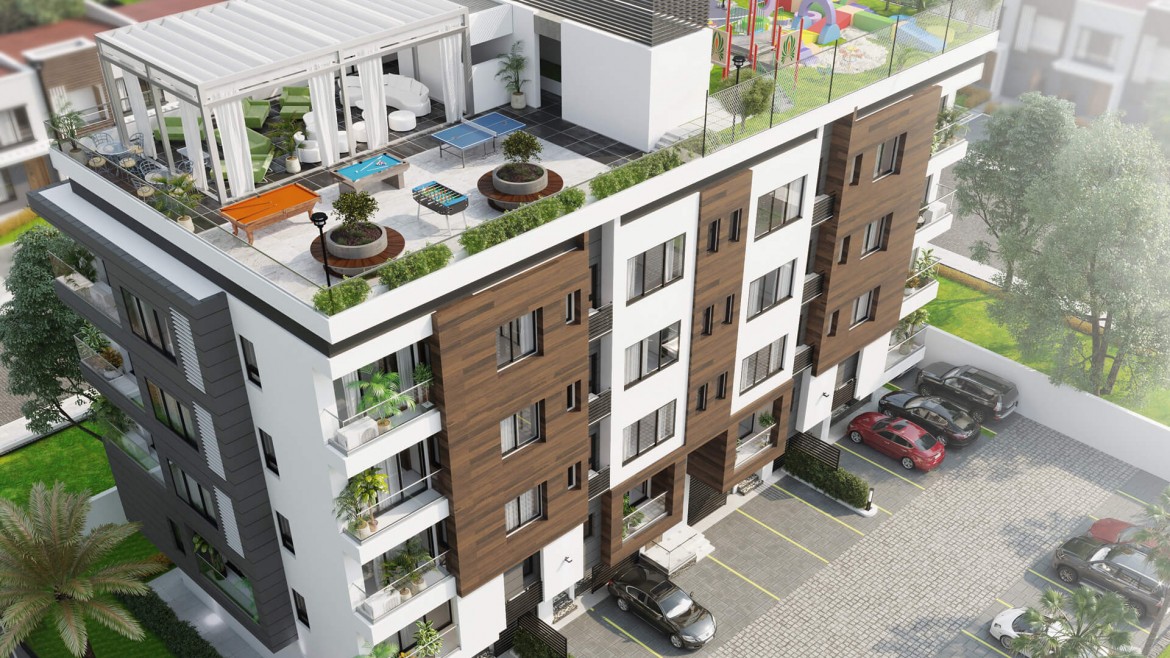
There can be advantages to owning a leasehold residential or commercial property. These may consist of having access to common facilities such as a health club or resident lounge within a development. A leasehold residential or commercial property within a development may also offer advantages such as concierge services or covered parking.
If work needs to be done on the residential or commercial property, the freeholder is responsible for arranging it. However, the leaseholder will often need to contribute towards the cost of the works.
What are the advantages of buying a freehold?
The primary advantage of purchasing a freehold is that you own the land your residential or commercial property sits on. You don’t have to pay any surcharges or ground lease. You likewise don’t have to seek consent to make changes to the residential or commercial property.
Freehold residential or commercial properties are also to offer. The closer a lease is to ending, the more difficult it is to sell a leasehold residential or commercial property. Mortgage rates likewise increase if the lease is under 70 years.
You can extend the lease on a residential or commercial property, however at an expense. Depending upon the remaining time on the lease, extending can cost tens of thousands of pounds. However, this is changing – see our upgrade on the Leasehold and Freehold Reform Act at the bottom of this short article.
Is it worth purchasing the freehold of my house?
It can be worth purchasing the freehold of your residential or commercial property if the lease has unfavourable terms – such as couple of staying years, high service fee, and so on. However, be advised that buying the freehold on a leasehold residential or commercial property is typically a costly and lengthy procedure.
Is a 999 year lease as good as freehold?
Having a 999-year lease is not the like having a freehold, it is just a long leasehold. It has the exact same benefits and drawbacks as a shorter lease, with the exception of not needing to fret about the lease running out or needing a renewal.
Having a 999-year leasehold still wouldn’t exempt you from paying any required ground lease and service fee to the current freeholder, for instance. The long lease time just eliminates one of the primary causes for concern regarding this plan.
Are freehold homes worth more than leasehold?
Leasehold residential or commercial properties do tend to be cheaper than freehold residential or commercial properties of the same type, because of the risks attached to leasing. The main issue being the variety of remaining years on the lease. However, this is simply a basic pattern, not an absolute guideline.
Does a freehold suggest you own the land?
If you own the freehold, you own the residential or commercial property and the land it bases on. The title for the residential or commercial property will note you as the freeholder. You will have total ownership over that land until you choose to sell it.
Buying.
Flying freeholds: All your concerns addressed

Buying.
What does Share of Freehold mean?
Buying.
What is a service charge? Why do I pay it?
The length of time does a freehold last?
The freehold on a residential or commercial property lasts till the owner chooses to sell it. At the point of sale, the freehold then transfers to the new owner.
The length of time does a leasehold last?
Leaseholds last for a set variety of years. Standard leasehold lengths are 90 or 120 years. However, leaseholds can last as long as 999 years.
As the length of the lease decreases, so does the value of the residential or commercial property. Short-lease residential or commercial properties can rapidly drop in worth. For instance, a residential or commercial property with a 60-year lease deserves 10 percent less than one with a 90-year lease.
What takes place when a leasehold goes out?
When a leasehold expires, the ownership of the land and the residential or commercial property reverts to the freeholder. This implies that the freeholder now owns the residential or commercial property.
It used to be the case that if you have actually resided in a residential or commercial property for more than 2 years, you have the right to extend the lease by 90 years. Now, thanks to the Leasehold and Freehold Reform Act, this is no longer a requirement. However, you would need to pay for this extension. Extension costs can cost approximately 20 percent of your residential or commercial property’s worth. Again, the just recently signed Reform Act aims to make this less expensive.
Can you turn a leasehold into a freehold?
In particular situations, you can turn a leasehold into a freehold. Leaseholders of flats can buy the freehold for their residential or commercial property with particular constraints. These include:
– The building requires to consist of at least two houses.
– A minimum of 75% of the structure is used for property purposes.
– At least 75% of the flats are owned by leaseholders who own long leases of a minimum of 21 years.
– A minimum of half of the leaseholders want to purchase a share of the freehold.
– If there are just 2 flats in the building, both leaseholders should wish to buy the freehold.
Once a group of leaseholders have purchased the freehold, they can set their own ground leas and service fee. However, they are then responsible for maintaining the structure.
Can a freeholder refuse to offer the freehold to leaseholders?
Freeholders can not decline to sell the freehold to leaseholders of flats on the residential or commercial property, if they fulfill the listed requirements. It is a legal right for leaseholders to have the choice to buy out the freehold if they fulfill these requirements.
What do leaseholders frequently dispute with freeholders?
Common disputes made by leaseholders versus freeholders include the expense of annual service fee. The HomeOwners Alliance states that 26% of all leaseholders in the UK feel that they are being overcharged by their freeholder.
Similarly, 23% of leaseholders complain that they have a lack of control over how and when significant works are done. 18% experience problems when significant works are carried out, such as extreme noise or disruption.
Freehold vs. leasehold: which is much better?
The concern of freehold vs. leasehold is not a simple one. Buying a freehold residential or commercial property is typically simpler and more flexible than a leasehold. However, most flats are leasehold residential or commercial properties.
If you are buying a leasehold, you must examine for how long is left on the lease. The value of a leasehold residential or commercial property is tied to the length of its staying lease. The longer left on the lease, the much better.
It’s also worth checking how much the ground lease and service fee are if purchasing a leasehold residential or commercial property. Also, inspect whether you get access to any common centers or other advantages.
If you truly do not want to live in a leasehold residential or commercial property and you get on well with your neighbours, you may wish to think about buying the freehold outright. Remember that you’ll need a minimum of half the other leaseholders on board to do this. Buying a share of freehold is the most common method to turn a leasehold into freehold residential or commercial property.
Recent changes to leaseholds
There’s been a significant reform of UK leasehold law on the cards for years. The very first phase of the Leasehold Reforms (and Ground Rent) Bill entered effect at the end of June 2022. The primary headline change then was that ground leas were eliminated for brand-new residential or commercial properties. This stays excellent news if you intend to buy a leasehold residential or commercial property to reside in or rent.
The new law likewise means that if you already have a leasehold residential or commercial property, the ground rent can not be increased. Once your existing lease term ends, the new agreement must, by law, charge no ground lease. Additionally, ground lease can no longer be charged on retirement residential or commercial properties.
Update May 2024: Leasehold and Freehold Reform Act becomes law
On 24th May 2024, the Leasehold and Freehold Reform Act ended up being law. While some of the arrangements initially outlined in the initial bill have been dropped, it has actually kept a variety of changes that will make it easier and cheaper for leaseholders to reside in, lease, or otherwise handle their residential or commercial property. Some of the main provisions of the brand-new law consist of:
– Banning new leasehold houses in England and Wales – but not on new flats.
– Making it more affordable and simpler to extend your lease or purchase the freehold for existing leaseholders in both homes and flats.
– Increasing the basic lease extension term to 990 years, up from the present 90 years, with ₤ 0 ground lease.
– Removing the requirement for brand-new leaseholders to have owned their home or flat for two years before these changes apply to them.
– Making purchasing or selling a leasehold residential or commercial property quicker and easier, with an optimal time and cost for the provision of details to a leaseholder by the freeholder.
– Requiring transparency over service charges for leaseholders. I.e.: Freeholders or their management business must prove and transparently how they charge for all components of their service charge fees.
– Replacing buildings insurance coverage commissions with a transparent administration cost for managing agents, landlords and freeholders.
– Extending access to “redress” plans for leaseholders who feel they have actually been a victim of bad practice.
– Scrapping the presumption that leaseholders ought to pay the freeholders’ legal expenses when challenging poor practice.
– Granting freehold homeowners on personal and blended period estates the exact same rights of redress as leaseholders.
– Building on the legislation in the Building Safety Act 2022, that ensures freeholders and designers are unable to escape their liabilities to money building remediation work.
– Allowing leaseholders in structures with approximately 50% non-residential floorspace to purchase their freehold or take over its management. This is an increase from the existing 25% limit.
These legal rights and protections represent an ongoing effort to make leasehold residential or commercial properties less expensive and complicated to own. This is good news for anyone aiming to purchase this kind of residential or commercial property now or in the coming years. The HomeOwners Alliance has further thorough details about the main topics of debate for leasehold law modifications, so take an appearance if you desire to discover more.

If you need more recommendations on legal terms and issues around residential or commercial property purchases, our guides section has everything you need. We have guides on conveyancing, transfer of equity, ground rent and a lot more. We hope that this freehold vs leasehold guide offers you the best starting knowledge to assist select the best residential or commercial property for your requirements.
HomeViews is the only independent evaluation platform for property developments in the UK. Prospective buyers and renters utilize it to make an informed decision on where to live based upon insights from thoroughly confirmed resident reviews. Part of Rightmove considering that February 2024, we’re working with developers, house builders, operators, housing associations and the Government to provide locals a voice, acknowledge high entertainers and to help improve standards across the market.

 Total Users : 33623