


medical-walker5941
medical-walker5941
See What Seat Walker Tricks The Celebs Are Using
The Seat Walker: A Comprehensive Guide to Mobility Aids
When it concerns keeping independence and mobility, individuals with minimal mobility or specials needs typically depend on different assistive devices. One such gadget that increasingly pertains to the leading edge of mobility aids is the seat walker. This post provides an in-depth look at seat walkers– their functions, benefits, types, and the factors to consider when choosing one.
What is a Seat Walker?
A seat walker is a versatile mobility aid created mostly for people who might have trouble walking unaided. It usually includes a frame with wheels, handles for support, and an integrated bench or seat, permitting users to take breaks when needed. Unlike basic walkers or rollators, which just use support for walking, the addition of a seat makes the seat walker considerably more functional for lots of users.
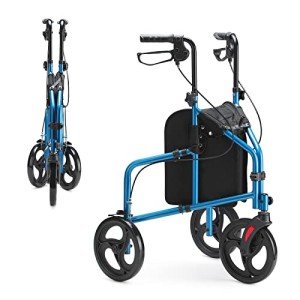
Key Features of Seat Walkers
- Wheels: Most seat walkers are equipped with front wheels that improve mobility and ease of use, permitting users to slide smoothly over different surfaces.
- Seat or Bench: The most distinguishing function is the integrated seat, which provides a resting place for users when tiredness sets in.
- Manages: Adjustable manages accommodate various user heights, providing adequate support and guaranteeing a comfortable grip.
- Brakes: Safety brakes avoid the walker from rolling away when somebody is seated, improving user security.
- Lightweight Frame: Many models are designed to be lightweight, making them easier to carry and steer.
Benefits of Using a Seat Walker
Seat walkers have various benefits that make them an ideal option for numerous users.
- Enhanced Mobility: They offer higher stability and assistance than standard walkers, decreasing the threat of falls.
- Convenience: The ability to rest at any point makes them ideal for those who tire easily or have actually limited endurance.
- Self-reliance: Seat walkers permit users to keep a degree of independence by allowing them to walk and rest without help.
- Versatility: Suitable for both indoor and outdoor use, these walkers can adapt to various environments.
- Physical Activity: Regular use motivates physical activity and social interaction, which can enhance general well-being.
Types of Seat Walkers
Various types of seat walkers cater to the varying requirements of users. Here is a breakdown of the most common types:
| Type | Functions | Best For |
|---|---|---|
| Fundamental Seat Walker | Basic design, frequently with a lightweight frame and minimal functions. | Users needing standard mobility support. |
| Heavy-Duty Seat Walker | Reinforced frame, greater weight capability, often with bigger seats. | Individuals needing more robust support. |
| Rollator with Seat | Combines seats with multi-height adjustable manages and much better maneuverability. | Users requiring regular resting choices. |
| Transport Seat Walker | Created for simple transport; often folds and has a little footprint. | Active users who travel frequently. |
Picking the Right Seat Walker
Picking a seat walker involves a number of factors to consider to ensure it meets the user’s specific needs. Here are essential aspects to remember:
- Weight Capacity: Ensure that the seat walker can support the user’s weight comfortably.
- Seat Height: Check the height of the seat to ensure it is proper and comfy for the user.
- Width: Consider your living area and guarantee the walker can fit through doors and narrow passages.
- Wheel Size: Larger wheels can deal with rougher surface, while smaller sized wheels are better suited for indoor use.
- Weight of the Walker: A lightweight walker is beneficial for easy maneuverability and transportation.
- Brakes and Safety Features: Look for reputable brakes and safety guarantees, such as stability and anti-tip functions.
Setting a Budget
Seat walkers vary considerably in price depending upon their functions and build quality. While it’s important to discover a design that meets the user’s needs, it’s similarly essential to set an affordable budget.
Typical Price Ranges:
- Basic Models: ₤ 50 to ₤ 150
- Rollators with Added Features: ₤ 150 to ₤ 300
- Durable Models: ₤ 300 and up
Frequently Asked Questions About Seat Walkers
Q1: Who ought to use a seat walker?A1: Seat walkers are ideal for people with restricted mobility due to age, injury, or persistent conditions who need extra support while walking. Q2: Are seat walkers safe?A2: Yes, seat walkers are designed with safety in mind. They generally include brakes, sturdy frames, and slip-resistant grips. Q3: How do I keep my seat walker?A3: Regularly inspect the brakes and wheels for wear and tear.
Clean the frame with a moist fabric and make sure
screws and elements are tight. Q4: Can seat walkers be used outdoors?A4: Yes, many seat walkers are designed for both indoor and outdoor use, though models with larger wheels carry out better on unequal surface areas. Q5: How do I know
which seat walker is right for me?A5: Consult with a health care provider or physical therapist who can examine your mobility requirements and suggest appropriate options based on your distinct situation. The benefit and flexibility of seat walkers make them a vital tool for those with mobility obstacles. By offering support, stability, and a chance for rest, they empower users to remain active and independent. When picking a seat walker, people should consider their individual needs, lifestyle, and safety to find the best match for them. With the best seat walker, many users can enjoy a restored sense of liberty, boosting their quality of life and keeping their independence. In summary, whether one is browsing through the home, running errands, or taking pleasure in fresh air in a park, a seat walker can show to be an important companion, transforming day-to-day activities into workable tasks.
 Total Users : 26816