


rollator-walker6892
rollator-walker6892
Five Tools That Everyone Is In The Senior Walker Industry Should Be Utilizing
A Comprehensive Guide to Senior Walkers: Enhancing Mobility and Independence
As people age, maintaining mobility becomes important for preserving independence and lifestyle. For numerous seniors, walking aids such as walkers provide a valued option to assist them navigate their environment safely and with confidence. This post looks into the diverse world of senior walkers, including their types, benefits, use, and some regularly asked concerns.
Comprehending Senior Walkers
Walkers, often described as walking frames, are mobility aids developed to offer assistance and balance for people who may have trouble walking individually. They typically consist of a sturdy frame, grips for holding, and in some cases, wheels for ease of motion. Comprehending the various types of walkers offered can assist seniors and their caretakers make well-informed choices.
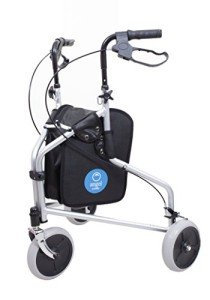
Types of Senior Walkers
| Walker Type | Description | Best For |
|---|---|---|
| Standard Walker | A four-legged frame that needs to be lifted to move forward. | Seniors needing maximum stability. |
| Two-Wheeled Walker | A walker with two wheels on the front for simpler mobility. | Those with small balance problems. |
| Four-Wheeled Walker | A walker with four wheels, often includes a seat and brakes. | Active seniors requiring mobility and rest durations. |
| Rollator Walker | A kind of four-wheeled walker that is lightweight and foldable. | Seniors who are more active and require minor support. |
| Platform Walker | A specialized walker with a platform for assistance, frequently used in physical treatment. | Individuals needing specific assistance for injuries. |
Benefits of Using Senior Walkers
Senior walkers provide numerous benefits that significantly improve the mobility and independence of elderly individuals. Here are a few of the most significant benefits:
- Increased Stability: Provides a strong base of assistance, minimizing the threat of falls.
- Enhanced Confidence: Encourages movement and can alleviate anxiety about walking.
- Enhanced Posture: Helps preserve an upright posture while walking.
- Social Engagement: Facilitates involvement in social activities by making it possible for mobility.
- Therapeutic Use: Can be utilized throughout rehab to improve strength and balance.
Selecting the Right Walker
When choosing a walker, numerous aspects need to be considered to make sure the very best fit. Below are essential points seniors or caretakers must examine:
- Weight Capacity: Ensure the walker can support the user’s weight.
- Height Adjustability: A proper height adjustment is important for convenience and efficiency.
- Mobility Needs: Consider the user’s particular needs, such as level of stability required.
- Lifestyle Factors: Think about where the walker will be used and how often.
Correct Use of Walkers
To optimize the benefits and lessen risks connected with walkers, correct use strategies are essential. Here are actions seniors need to follow:
- Stand in the Walker: Position the walker in front of them, guaranteeing it is steady.
- Grip the Handles: Hold the deals with securely, guaranteeing a comfortable grip.
- Walk Inside the Frame: Move forward by taking small actions, guaranteeing the front legs of the walker remain on the ground.
- Turn with Care: To change direction, pivot on the feet while moving the walker.
- Use Cautiously: Avoid rushing and remember to take breaks when tired.
Frequently Asked Questions (FAQs)
What is the average rate of a senior walker?
The cost of senior walkers can vary based upon functions and materials utilized. Standard walkers might cost as low as ₤ 30, while sophisticated models with wheels and seats may range from ₤ 50 to ₤ 150.
How do I determine if my enjoyed one needs a walker?
Indications that a senior might need a walker can include regular stumbling or losing balance, a current surgery or injury impacting mobility, and preventing walking or participating in social activities.
Can a walker assist with rehab workouts?
Yes, walkers can be a crucial part of physical therapy, helping seniors regain strength and dexterity through safe motion.
Where can I buy a senior walker?
Walkers can be bought at medical supply stores, drug stores, or online merchants. Some insurance plans may even cover part of the cost.
How do I keep a senior walker?
Regular upkeep includes checking for loose parts, guaranteeing brakes function properly, and cleaning the frame to prevent rust or wear.
Senior walkers are an invaluable resource for maintaining mobility and independence as one ages. With different kinds of walkers offered, it is important for seniors and caretakers to consider individual requirements, usage, and comfort when choosing a proper Walking Frame (related internet page) aid. By motivating safe mobility, walkers not only boost physical capabilities but also positively impact social connections and mental wellness.
Through correct usage and care, seniors can delight in an active, engaging way of life, boosted by the assistance of their walker. Understanding the importance of mobility aids like walkers is essential in promoting improved life quality for seniors facing mobility challenges.
 Total Users : 83563